
How to Use Aerogel Blanket for Insulation and Energy Saving?
In the world of insulation materials, Aerogel Blankets stand out as a revolutionary solution. Experts like Dr. Emily Chen, a leading figure in material science, emphasize their potential: "Aerogel Blankets can transform how we think about energy efficiency." This innovative material combines lightweight properties with exceptional thermal resistance. Its applications range from the aerospace industry to residential insulation.
Using an Aerogel Blanket can significantly reduce energy consumption. Imagine wrapping your home in a layer that effectively keeps heat in during winter and cool air during summer. Yet, while the benefits are clear, challenges remain. The cost of Aerogel production can be high, and awareness about this technology is still growing. Many homeowners might hesitate to adopt it due to misconceptions about durability and application methods.
It's essential to approach the idea of using Aerogel Blankets critically. The material's incredible insulating properties are impressive, but understanding the installation process is crucial. Missteps can lead to suboptimal performance. So, as we explore the use of Aerogel Blankets, we confront both their advantages and the realities that come with this advanced technology.
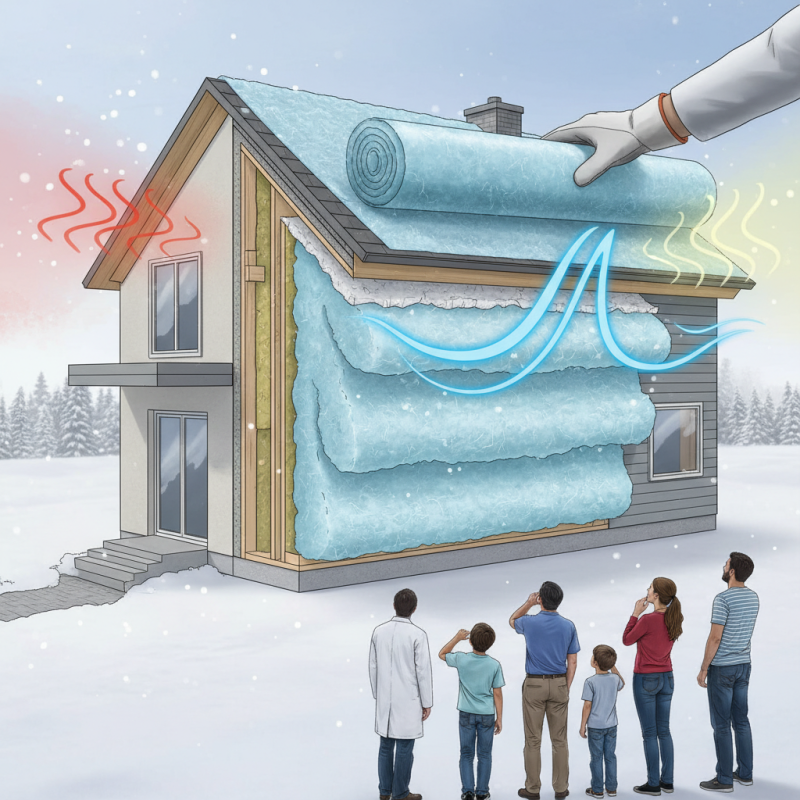
Understanding Aerogel Blanket: Properties and Composition
Aerogel blankets are lightweight and highly efficient materials known for their exceptional insulating properties. Made primarily from silica gel, these blankets contain around 90-99% air by volume. This unique structure offers remarkable thermal resistance. When used in buildings, they help maintain consistent temperatures. However, they can be challenging to work with due to their delicate nature.
The composition of aerogel blankets contributes significantly to their effectiveness. These blankets are porous, allowing them to trap air and minimize heat transfer. Their low density makes them easy to handle, yet their fragility demands careful installation. Users often face difficulties in ensuring proper sealing. This process is critical; any gaps can compromise insulation performance, causing energy loss.
Moreover, while aerogel blankets are excellent insulators, they might not be the perfect solution for every situation. Factors such as cost, availability, and installation complexity come into play. Reflecting on their benefits and downsides is essential. Many users might find themselves torn between newer materials and traditional options.
Applications of Aerogel Blankets in Insulation
Aerogel blankets have gained traction in various industries due to their exceptional insulating properties. These lightweight materials can achieve thermal conductivities as low as 0.014 W/m·K. Such figures are critical, especially when considering energy efficiency in residential and commercial buildings. A report from the U.S. Department of Energy indicated that proper insulation could reduce heating costs by approximately 25% to 30%. Aerogel blankets can play a significant role in this process.
In construction, aerogel blankets are used in walls, roofs, and floors. Their slim profile and high insulation value make them ideal for space-constrained applications. For example, they can be embedded in building facades without sacrificing design aesthetics. In the aerospace sector, these blankets shield sensitive equipment from extreme temperatures. The European Space Agency has documented the effectiveness of aerogel in numerous applications, notably in space probes where weight is critical. Yet, the high manufacturing costs remain a challenge.
Energy-saving measures are not without their complexities. While aerogel provides excellent insulation, not all buildings can benefit equally. Installation requires precise methods to ensure full effectiveness. There are instances where improper sealing leads to significant heat loss, negating the benefits. Awareness of these limitations is necessary for better implementation strategies. As innovation continues, further research could unlock the true potential of aerogel in both energy efficiency and cost reduction.
Step-by-Step Guide to Installing Aerogel Blankets
Installing aerogel blankets can significantly reduce energy consumption. This is crucial, as buildings account for around 40% of energy use globally. Aerogel blankets provide insulation effectiveness up to 30% higher than traditional materials. The process involves several steps that require careful handling.
Start by measuring the area you want to insulate. This helps in determining the quantity of aerogel needed. Next, prepare the surface by cleaning it well. Any dust or moisture can affect adhesion. Cut the aerogel blankets to size, ensuring they fit snugly into each area. Use a suitable adhesive or mechanical fastening for secure placement.
During installation, it's essential to wear protective gear. Aerogel can be harmful if inhaled, and safety should be a priority. The installation should not be rushed. Improper placement can lead to gaps that diminish insulating efficiency. After installing, consider sealing the edges. This step enhances the thermal barrier. Some reports suggest that poorly sealed edges can waste up to 10% of energy. Regular inspections are also necessary to maintain optimal performance.
Comparative Analysis: Aerogel vs. Traditional Insulation Materials
Aerogel has emerged as a revolutionary insulation material. Its lightweight nature and remarkable thermal resistance set it apart from traditional insulation. Standard insulation materials like fiberglass and foam rely on thickness to achieve effectiveness. Aerogel, on the other hand, provides superior insulation in a much thinner layer. This can save space in your home while delivering excellent energy efficiency.
When comparing aerogel to traditional insulation, energy savings become apparent. Traditional solutions often require more material to achieve desired thermal performance. They can be bulky, making installation cumbersome. Aerogel’s efficiency means less material is needed to get the same results. This not only cuts down costs but also reduces resource consumption. It’s crucial to consider factors like installation methods, as both materials have unique requirements.
**Tips:**
Consider aerogel for attic spaces. It effectively reduces heat loss in winter and keeps your home cool in summer. Use aerogel in walls where space is limited, maximizing energy efficiency in small areas.
Don’t overlook cost factors. Initially, aerogel may seem pricier than traditional options. However, lower energy bills over time can offset the upfront investment. Evaluate your specific needs before making a decision. Different homes may benefit from a mix of insulation types.
Energy Efficiency Comparison: Aerogel vs. Traditional Insulation Materials
This chart compares the energy-saving potential of Aerogel insulation to conventional materials such as Fiberglass and Foam Board. The values represent the R-Value per inch, which indicates the thermal resistance of the materials.
Benefits of Aerogel Blankets for Energy Efficiency and Cost Savings
Aerogel blankets are gaining attention for their incredible insulating properties. These lightweight materials provide a significant boost to energy efficiency. They minimize heat loss, making spaces more comfortable. This is essential in colder climates where heating bills can skyrocket. Homes equipped with aerogel blankets may save on energy costs significantly over time.
Tips: Consider applying aerogel blankets in areas prone to drafts. Attics and basements often lose heat quickly. A simple installation can lead to noticeable savings. Make sure to measure areas accurately to ensure a snug fit. This prevents gaps where heat can escape.
The cost savings from reduced energy usage may offset the initial installation costs. However, the effectiveness can vary based on conditions. Some installations may not perform as expected. Regular checks and maintenance are crucial. Reflect on your consumption habits to maximize the benefits of aerogel blankets.