
How to Choose the Best Artificial Lift Technologies for Oil Wells?
Choosing the right Artificial Lift Technologies for oil wells is crucial for maximizing production efficiency. According to a report by the International Energy Agency, around 90% of oil wells require artificial lift to enhance production levels. This technology accounts for a significant portion of the global oil extraction market, which is projected to grow by 5% annually.
Various techniques, such as electric submersible pumps and gas lift systems, each have different advantages and challenges. Many operators face dilemmas in selecting a suitable method. Cost, well depth, and fluid characteristics are key factors in the decision-making process. A poor choice can lead to reduced efficiency and increased maintenance costs.
In the evolving landscape of oil extraction, understanding the intricacies of Artificial Lift Technologies is essential. Inadequate study and analysis can lead to mistakes that affect long-term productivity. Therefore, operators should prioritize gathering data and consulting with experts before making their selection.
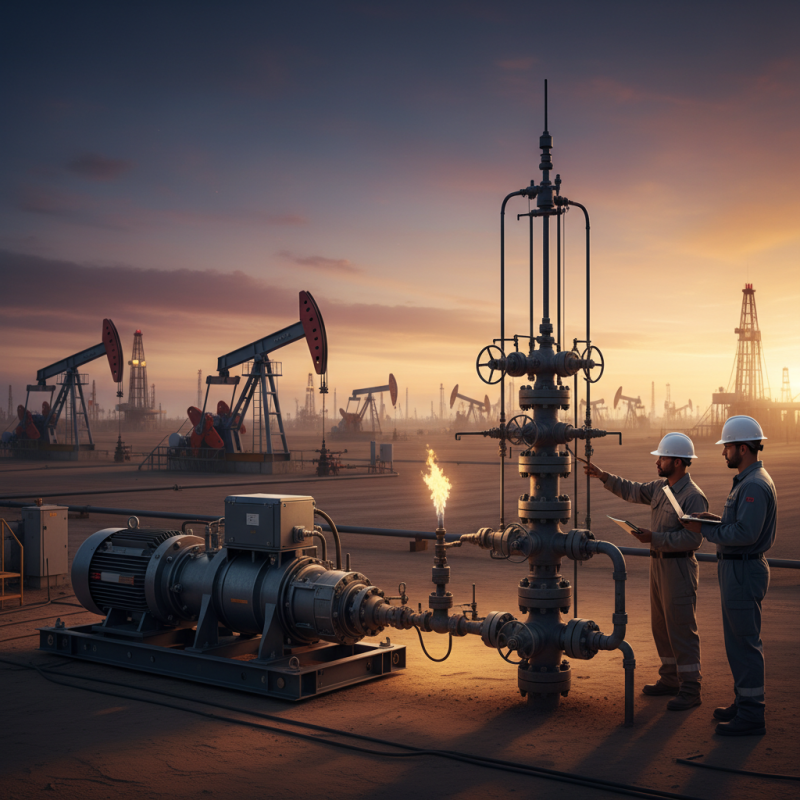
Understanding Artificial Lift Technologies: An Overview
Artificial lift technologies play a crucial role in enhancing oil production from wells. These methods help in lifting fluids to the surface, especially when reservoir pressures decline. Common technologies include rod pumps, electrical submersible pumps, and gas lift systems. According to a report from the Society of Petroleum Engineers, around 90% of oil wells utilize some form of artificial lift to maintain production rates.
Selecting the right artificial lift technology requires a thorough understanding of well conditions and production goals. For instance, rod pumps work well in low-decline-rate wells while electrical submersible pumps excel in high-rate environments. However, improper selection can lead to increased operational costs and inefficient production. Industry data suggests that improper lift system choices can reduce well productivity by up to 30%.
It’s essential to analyze factors like well depth, fluid viscosity, and gas-to-oil ratios. Challenges also arise, such as energy consumption and equipment failure. Regular monitoring and maintenance are crucial but often overlooked. This could lead to avoidable downtimes and loss of revenue. The landscape of artificial lift is complex and evolving, making continuous learning and adaptation vital for optimal performance.
Key Considerations for Selecting Artificial Lift Systems
When selecting artificial lift technologies for oil wells, a few key considerations play a crucial role. Understanding the well's depth and production characteristics is essential. For instance, heavy oil wells may require specific systems like electrical submersible pumps. According to a recent report, nearly 80% of oil fields utilize artificial lift to boost production efficiency. This emphasizes the importance of making informed choices.
Cost-effectiveness is a major factor. The initial investment for systems can vary significantly. Reports indicate that some systems can achieve 30% lower operational costs when selected correctly. However, it’s vital to also consider maintenance expenses over time. Failing to account for long-term costs can lead to unexpected financial burdens.
Another crucial aspect is the compatibility of lift technologies with existing infrastructure. Not all systems integrate seamlessly. This can create operational challenges and delays. Inadequate assessment of well conditions can lead to inefficient lift system choices. Operators must prioritize well evaluations to avoid these pitfalls. Misjudging a well’s requirements often leads to suboptimal performance and wasted resources.
Evaluating Well Characteristics for Optimal Lift Technology
Choosing the right artificial lift technology hinges significantly on evaluating wells characteristics. Factors like reservoir pressure, fluid type, and production rate are crucial. According to the Society of Petroleum Engineers, nearly 90% of oil wells require some form of artificial lift. Understanding these characteristics helps tailor the appropriate solution.
Well depth plays a vital role in this selection process. For instance, conventional beam pumps may excel in shallow wells. However, they are less effective in deeper wells. As depths increase, expensive solutions like electrical submersible pumps may be necessary. Research reveals that nearly 70% of wells deeper than 10,000 feet benefit from these advanced technologies.
Fluid properties cannot be overlooked either. Viscosity and gas-to-oil ratios impact lift performance. High-viscosity fluids can lead to inefficient extraction. Unexpectedly, many operators underestimate the effects of emulsion formation or gas locking. These conditions can hinder production and require reevaluation of lift options. Regular monitoring and analysis will provide clarity in decision-making.
Cost-Effectiveness and Efficiency in Artificial Lift Choices
Selecting the right artificial lift technologies for oil wells hinges on cost-effectiveness and efficiency. One must evaluate each lift type, considering capital and operational expenses. For instance, electric submersible pumps are efficient but can entail high initial costs. In contrast, beam pumps may require less investment upfront but can incur higher maintenance costs over time.
Analyzing production rates is crucial when making choices. Some technologies may offer high efficiency but produce diminishing returns in specific fields. Evaluating well characteristics, like depth and fluid type, adds to this complexity. Also, one must consider the longevity and reliability of the chosen system. An optimal solution for one well might not suit another.
It’s essential to keep in mind that no single technology is perfect. Each has its pros and cons. Developing a nuanced understanding of these factors can lead to better decision-making. This process might reveal unexpected challenges and opportunities. Reflecting on these elements can even prompt a reconsideration of previously held assumptions about artificial lift selections.
Comparison of Artificial Lift Technologies in Oil Wells
Future Trends in Artificial Lift Technology Selection
The selection of artificial lift technology is evolving. As reservoirs change, so too must the methods used to extract hydrocarbons. New technologies emerge regularly, each promising efficiency and cost-effectiveness. However, choosing the right tool isn't always clear-cut.
Tips: Evaluate reservoir characteristics thoroughly. Understanding fluid properties and flow rates will guide technology choice.
Data analytics plays an essential role. Your analysis should include past performance and ongoing trends. Regularly revisiting this data helps identify shifts in well productivity or changes in the reservoir. Be ready to adapt. Ignoring these factors might lead to suboptimal production.
Tips: Collaborate with interdisciplinary teams. Combining expertise in geology, engineering, and data science can yield innovative solutions.
Investing in training for staff is crucial. Knowledgeable teams can better assess which tools align with specific well conditions. Cultivating a culture of continuous learning can enhance performance over time. Embracing change is not easy. Reflecting on previous choices can provide valuable insights for future decisions.
How to Choose the Best Artificial Lift Technologies for Oil Wells? - Future Trends in Artificial Lift Technology Selection
| Technology Type | Efficiency (%) | Cost per Barrel ($) | Recommended Depth (ft) | Maintenance Frequency (months) |
|---|---|---|---|---|
| Electric Submersible Pump (ESP) | 85 | 12 | 3000 | 6 |
| Rod Pump | 70 | 10 | 4000 | 12 |
| Gas Lift | 75 | 15 | 5000 | 8 |
| Progressing Cavity Pump | 80 | 18 | 3500 | 10 |
| Hydraulic Pump | 88 | 20 | 2000 | 4 |