
How to Choose the Best Metallurgical Bridge Crane for Your Needs?

Choosing the right Metallurgical Bridge Crane is crucial for industrial efficiency. The demand for such cranes has surged, with a projected growth rate of 6% annually. This trend is driven by the needs of various sectors, including steel production and metal processing.

When selecting a Metallurgical Bridge Crane, one must consider its lifting capacity and safety features. Industry reports indicate that cranes handling more than 20 tons require advanced safety measures. Ignoring these factors might lead to operational inefficiencies.

Additionally, users should evaluate the crane's durability and maintenance needs. A common oversight is underestimating the long-term operational costs. High-quality cranes can offer extended lifespans but may have higher upfront costs. Balancing these elements is essential for making an informed choice.
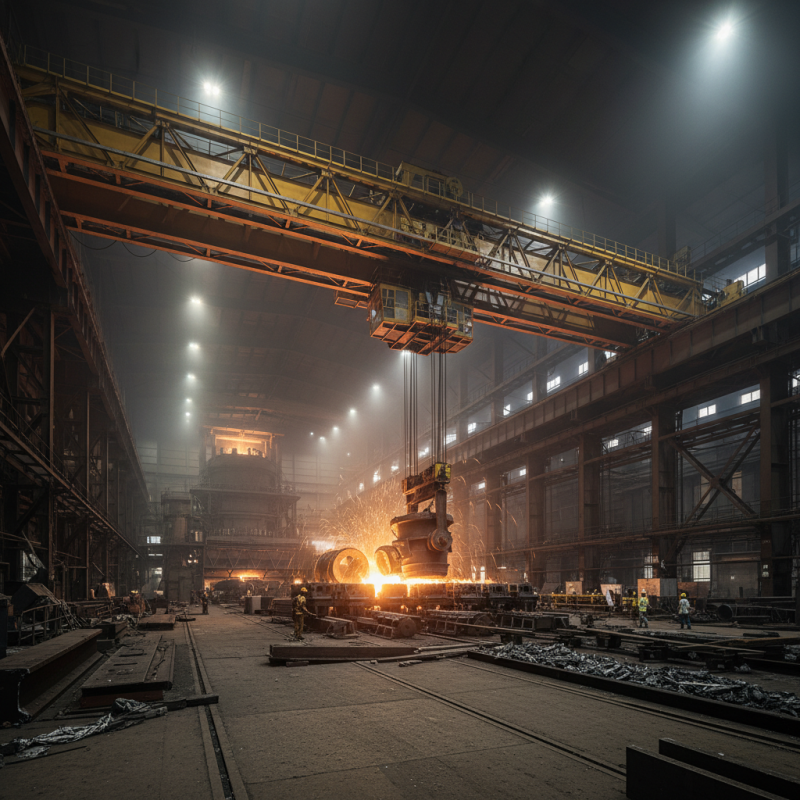
How to Choose the Best Metallurgical Bridge Crane for Your Needs?

Understanding the Basics of Metallurgical Bridge Cranes

Metallurgical bridge cranes play a crucial role in industrial operations. They are specifically designed for heavy lifting and transportation of metals. Understanding their core functions ensures you select the right model for your needs. According to a 2022 industry report, these cranes can handle loads up to 500 tons. This capacity is vital for operations involving large steel beams or heavy machinery.

Efficiency in heavy industries is essential. Poorly designed cranes can lead to downtime and increased maintenance costs. A 2023 study indicated that nearly 25% of crane failures are due to inadequate specifications. Understanding load charts and operational needs help circumvent these issues. Operators should also consider the environment. Dust and extreme temperatures can impact crane performance.

Design features vary, each serving different operational challenges. Some cranes come with advanced safety systems, reducing accidents by over 40%. However, investing in these features may stretch budgets. Reflect on operational demands versus costs. Choosing the wrong crane could result in serious inefficiencies. Knowledge of load capacity, environmental impact, and safety features is critical in making an informed choice.

Key Factors to Consider When Choosing a Bridge Crane

Choosing the best metallurgical bridge crane requires careful consideration of key factors. Load capacity is crucial. Make sure the crane can handle the maximum weight you expect. Inspect the specifications closely. A crane that is too small will lead to accidents and delays.

Tips: Calculate your lifting needs accurately. Use real data from past projects. Consider your future projects as well.

Another important factor is the span. The distance between the support columns impacts how much area you can cover. A wider span means more flexibility in moving materials. However, it may lead to structural challenges.

Tips: Measure your workspace to ensure that your chosen crane fits properly. Think about safety features too. These may include emergency stop buttons and overload protection. Ignoring safety can lead to costly mistakes.

Lastly, consider the environment. Will the crane operate indoors, outdoors, or in harsh conditions? Weather and temperatures can impact performance. Not all cranes are built for every situation.

Tips: Research materials used in the crane’s construction. This helps ensure durability and longevity. Remember, a cheap option may not always be the best. Design flaws may exist, so scrutinize every option thoroughly.

Types of Metallurgical Bridge Cranes and Their Applications

When selecting a metallurgical bridge crane, understanding the types available is crucial. There are various models tailored for different industries. Some cranes specialize in lifting heavy steel components. These models are known for their robust design and high lifting capacity. Their application is often centered in foundries or metalworking facilities.

Another type is the scrap yard crane. This crane is designed to efficiently handle scrap materials. Its unique features, like a magnet or grapple attachment, allow for effective sorting. Operators often face challenges with operational safety and efficiency. Training and routine maintenance are essential to minimize these issues.

Foundries may also benefit from overhead cranes that facilitate cross-aisle transport. These cranes can save time during production processes. However, their complex mechanisms can lead to maintenance difficulties if not monitored properly. Operators should always discuss their specific needs before making a choice. This consideration ensures the crane aligns with operational demands and maximizes productivity.

How to Choose the Best Metallurgical Bridge Crane for Your Needs? - Types of Metallurgical Bridge Cranes and Their Applications

Type of Metallurgical Bridge Crane Load Capacity (tons) Span (meters) Applications
Double Girder Bridge Crane 5 - 100 10 - 30 Steelworks, Heavy Materials Handling
Single Girder Bridge Crane 1 - 20 5 - 20 Light Duty Applications, Workshops
Explosion Proof Bridge Crane 5 - 25 10 - 25 Chemical Plants, Hazardous Material Handling
Eurostyle Bridge Crane 1 - 20 5 - 25 Manufacturing, Assembly Lines
Customized Bridge Crane Varies Varies Specialized Operations, Unique Environments

Assessing Load Capacity and Safety Features in Cranes

When selecting a metallurgical bridge crane, load capacity and safety features are crucial. Determining the right load capacity is essential for your operations. Calculate the heaviest item you will lift. Choose a crane that can handle at least this weight. Overloading a crane can lead to accidents. Insufficient capacity might result in critical failures.

Safety features are equally important. Look for cranes with overload protection. This prevents lifting loads beyond their limits. Features like limit switches help avoid collisions. Make sure the crane has emergency stop buttons that are easily accessible. Regular maintenance is vital for safety. A crane may look functional, but hidden issues could arise. Inspecting the crane frequently can identify potential risks.

Consider your workspace as well. Smaller areas might limit your choices. Inadequate space can hinder crane operation. Ensure that the safety features you choose fit your environment. Installing the best crane might not help if safety elements can’t be used effectively. Ultimately, the right balance of load capacity and 安全性 will enhance your operations.

Maintenance and Support Needs for Optimal Crane Performance

Selecting the right metallurgical bridge crane requires thorough consideration of its maintenance and support needs. A well-maintained crane performs better and lasts longer. Regular inspections will help identify wear and tear early. Look for signs of rust or unusual noises. These can indicate issues that require immediate attention.

Routine maintenance tasks include lubricating moving parts and checking electrical connections. It’s crucial to follow a strict schedule. Delays in maintenance often lead to unexpected breakdowns. This can disrupt operations and increase costs. Training staff on proper usage is also vital. They should know how to spot potential problems.

Support is equally important. Reliable customer service can make a difference when issues arise. Look for providers that offer quick response times and knowledgeable staff. Accessibility to spare parts is another factor to consider. A crane that often needs repairs will incur higher long-term costs. Think about the challenges you might face. A little reflection on these aspects can lead to smarter long-term decisions.