How to Choose the Best Linear Light for Your Business Needs?
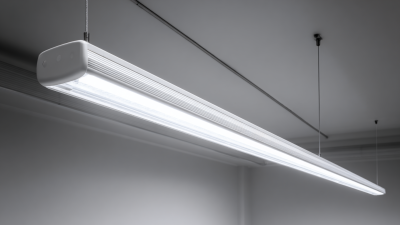
Choosing the right lighting solution can significantly impact your business environment. Linear lights have become increasingly popular in various industries due to their sleek design and effective illumination. However, selecting the best linear light for your specific needs involves several considerations.
When evaluating linear lights, you should think about factors like brightness, color temperature, and energy efficiency. These elements can create a welcoming atmosphere in retail spaces or enhance productivity in offices. Remember, different settings demand different lighting characteristics. While you may find numerous options available, not all linear lights are suitable for every business.
Reflecting on your unique requirements is key. Consider how the light affects your space and conveys your brand's identity. It’s important to assess both aesthetics and functionality. Choosing linear lights requires a balance between style, purpose, and cost-effectiveness. Be mindful that poor choices can lead to dissatisfaction down the line. Ultimately, this decision can influence not just aesthetics but also employee satisfaction and customer experience.
Understanding Linear Lighting: Types and Features
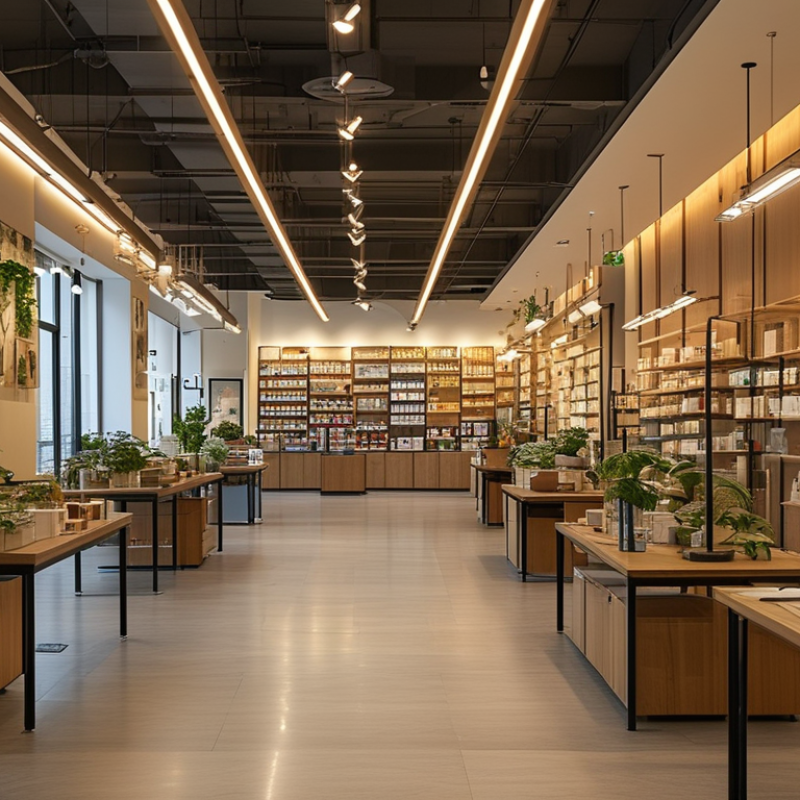
Linear lighting plays a crucial role in creating the right atmosphere for various business environments. Understanding the different types and features is essential. Common types include LED, fluorescent, and halogen lights. Each type offers unique characteristics that cater to different settings. For example, LED lights are energy-efficient and long-lasting, reducing operational costs significantly—up to 75% lower than traditional bulbs, according to a report by the U.S. Department of Energy.
When selecting linear lighting, factors such as lumen output, color temperature, and beam angle should be considered. Lumen output measures brightness, while color temperature affects the mood. A cooler color temperature fosters focus, making it ideal for offices. Conversely, warmer tones create a welcoming space for retail environments. Reports indicate that 60% of consumers prefer shopping in well-lit stores, highlighting the importance of appropriate lighting.
While many businesses invest in linear lighting, the installation process poses challenges. Improper placement can lead to dark spots, impacting visibility and aesthetics. Regular maintenance is necessary to ensure optimal performance. Businesses may overlook this aspect, resulting in inconsistent lighting quality. A balanced approach to linear lighting—considering types, features, and placement—enhances functionality and ambiance in any commercial space.
Assessing Your Business Environment for Lighting Needs
Assessing your business environment for lighting needs is essential for creating a productive atmosphere. The type of linear light you choose can significantly impact mood and efficiency. Consider the nature of your work. For creative spaces, brighter and warmer lights can stimulate inspiration. In contrast, cooler tones may suit more analytical environments.
When evaluating your space, think about existing natural light. Large windows can affect the effectiveness of artificial lighting. Aim for a balance between artificial and natural light sources. Conduct trials under various lighting conditions. This can help you understand what works best for your team.
Pay attention to the layout of your business. Open spaces may require different lighting than smaller, enclosed areas. Group workspaces often benefit from softer lighting, while individual workstations might need focused, task-oriented lights. It's important to adapt your approach based on feedback from employees. Engaging them in this process can lead to better choices and increased satisfaction.
How to Choose the Best Linear Light for Your Business Needs?
| Lighting Type | Lumens per Watt | Color Temperature (K) | Average Lifespan (Hours) | Best Usage Environment |
|---|---|---|---|---|
| LED Linear Lights | 100-130 | 3000-6000 | 50,000 | Offices, Retail Spaces |
| Fluorescent Linear Lights | 35-100 | 2700-6500 | 20,000 | Warehouses, Factories |
| T5 Linear Lights | 75-100 | 3000-4000 | 35,000 | Retail, Restaurants |
| Induction Linear Lights | 90-120 | 3000-5000 | 100,000 | Street Lighting, Parking Lots |
Evaluating Energy Efficiency and Cost Considerations
When evaluating energy efficiency for linear lights, consider the total cost of ownership. This encompasses initial purchasing costs, installation expenses, and ongoing energy consumption. According to the U.S. Department of Energy, LED lights, which are often the most energy-efficient option, can save businesses about 75% in energy usage compared to traditional incandescent bulbs. Over time, this translates to substantial savings.
Optimal performance requires a balance between efficiency and light quality. High-quality linear lights ensure brightness without excessive energy demand. It’s important to review the lumens output per watt ratio. Higher ratios indicate better performance and efficiency. In industrial settings, transitioning to LED can deliver both energy savings and enhanced lighting levels.
Tips for making informed decisions include conducting a detailed energy audit. This will help identify current usage patterns and cost. Investigate available rebates or incentives, as many regions encourage energy-efficient upgrades. Additionally, consult with lighting professionals who can provide customized solutions tailored to your specific business needs. This approach ensures that every dollar spent aligns with your long-term financial goals.
Choosing the Right Brightness and Color Temperature
Choosing the right brightness and color temperature is crucial for your business lighting. Brightness determines how well a space is illuminated. Too dim, and employees may struggle to see. Too bright, and it can create discomfort and eye strain. Aim for a balance that enhances visibility without overwhelming the senses.
Color temperature also plays a significant role. Warmer tones can create a cozy, inviting atmosphere, ideal for hospitality environments. In contrast, cooler tones can promote alertness and focus, making them suitable for offices. Analyze the purpose of each space. This thoughtful approach encourages a productive work environment while considering employee well-being.
Consider conducting tests with different brightness levels and color temperatures. Gather feedback from your team. They can provide insights that might surprise you. Sometimes, what seems ideal on paper may not feel right in practice. The goal is to find a combination that enhances both functionality and comfort. Balancing these elements is an ongoing process, requiring adjustments as needs evolve.
Installation and Maintenance Tips for Linear Lighting Systems
When installing linear lighting systems, understanding installation processes is crucial. Proper placement significantly impacts energy efficiency and ambiance. According to the U.S. Department of Energy, effective lighting can reduce energy costs by up to 30%. Choosing the right location for fixtures enhances visibility and reduces glare, fostering a comfortable work environment.
Maintenance should not be overlooked. Regular inspections of fixtures are vital to ensure optimal performance. Dust accumulation can diminish light output by as much as 30%. Routine cleaning and timely bulb replacements maintain brightness and prolong lifespan. Data from the International Institute of Lighting Design suggests that neglecting maintenance can lead to increased operational costs, as inefficient lights consume more energy.
Consider the environmental aspects of your lighting system. Selecting energy-efficient LED fixtures not only benefits your business but also aligns with sustainability goals. A report by the California Energy Commission indicates that LEDs can last 25 times longer than traditional bulbs. However, businesses must analyze their specific needs to avoid overspending on unnecessary features, reflecting a balance between cost and functionality.
Related Posts
-
5 Compelling Reasons Why Linear Light is the Future of Energy Efficient Lighting Solutions
-
Innovation in Chinese Manufacturing Thrives Against US China Tariff Challenges with Best Linear Light Solutions
-
How to Choose the Best Linear Fixture for Your Space?
-
Top 10 Long LED Light Manufacturers from China at the 137th Canton Fair
-
Evaluating LED Lights: A Data-Driven Analysis of Efficiency, Costs, and Longevity for Global Buyers
-

What is High Bay Led Lights and How Do They Work?