
Why Choose Flexible Intramedullary Nails for Bone Fracture Treatment?
In recent years, the use of Flexible Intramedullary Nails has gained attention in the field of orthopedic surgery. These innovative devices offer a new approach to bone fracture treatment. By utilizing a flexible design, they adapt to the unique anatomy of each patient's bones. This adaptability is crucial for effective healing and recovery.
Flexible Intramedullary Nails allow for minimally invasive procedures. Surgeons can treat fractures without making large incisions. This technique reduces trauma to the surrounding tissues. Patients often experience less pain and shorter recovery times. However, challenges remain. Not every fracture is suitable for this method. Surgeons must carefully evaluate each case.
The benefits are clear, but some imperfections still exist in implementation. Not all orthopedic centers have the same level of expertise with these nails. In some instances, complications can arise. Therefore, ongoing education and training for surgeons are necessary. The evolution of Flexible Intramedullary Nails reflects progress in modern medicine. With further research, their potential will expand, improving patient outcomes.
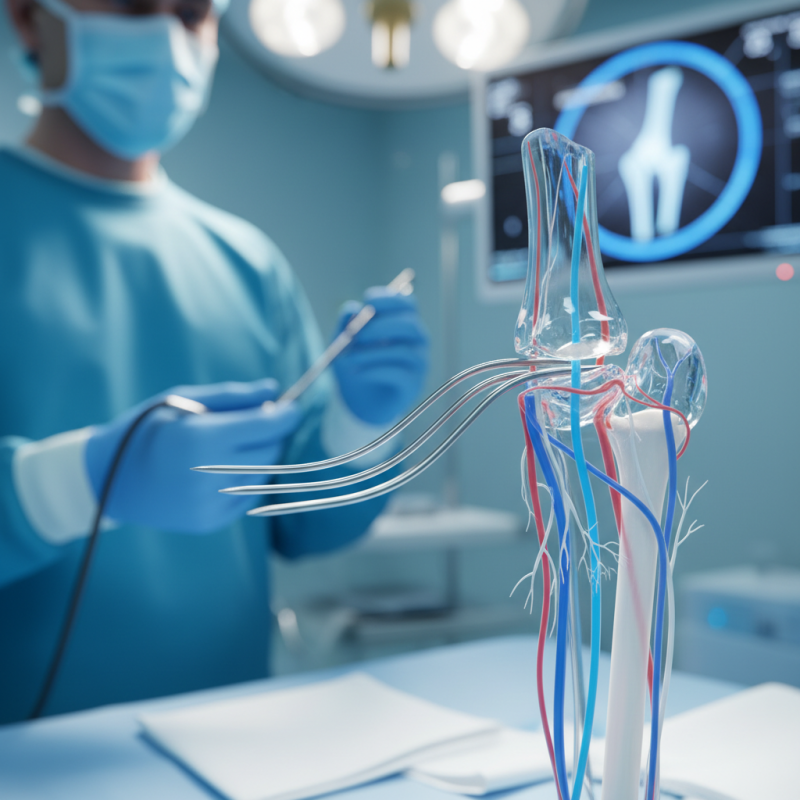
Understanding Flexible Intramedullary Nails in Orthopedic Surgery
Flexible intramedullary nails have become a significant tool in orthopedic surgery. They are designed to treat bone fractures with more adaptability than traditional methods. These nails are made to fit within the medullary cavity of long bones, providing stabilization. Their flexibility allows for a less invasive approach, leading to quicker recovery times for patients.
The unique design of flexible nails minimizes the risk of surrounding tissue damage. Surgeons can position these nails to align with natural bone curvature. This results in better outcomes for certain types of fractures. However, they do come with challenges. The need for precise placement is crucial, as improper alignment can lead to complications.
Another aspect to consider is the range of conditions they address. Flexible nails are particularly useful for pediatric fractures. In children, bones are still growing, which adds complexity to treatment. While these nails promote healing, there may be a learning curve for new surgeons. Each case is different, and experience plays a vital role. Overall, flexible intramedullary nails highlight the balance between innovation and the need for careful application in orthopedic practices.
Advantages of Using Flexible Intramedullary Nails for Fractures
Flexible intramedullary nails have gained popularity for treating bone fractures. They offer several advantages that make them an attractive option for both patients and surgeons. One primary benefit is their ability to provide stable fixation while allowing for natural movement of the limb. This feature is essential for proper healing.
Another advantage is the minimally invasive nature of the procedure. Surgeons can insert these nails through tiny incisions. This reduces damage to surrounding tissues, which can lead to faster recovery. Patients often appreciate a quicker return to daily activities, though complications can still arise. Some individuals may experience discomfort or limited mobility during rehabilitation.
It is worth noting that while flexible intramedullary nails are effective, they may not be suitable for all types of fractures. Certain complex fractures might require different surgical options. Furthermore, proper technique and experience are crucial for optimal outcomes. Mistakes in placement can lead to complications, highlighting the need for skilled surgeons. Overall, flexible intramedullary nails present a compelling option for fracture treatment, but they are not without challenges.
Comparison with Traditional Fixation Methods for Bone Fractures
Flexible intramedullary nails are gaining popularity in treating bone fractures. They offer an innovative approach compared to traditional fixation methods. Unlike plates or external fixators, the flexible design provides a less invasive option. Surgeons insert the nails into the medullary cavity. This minimizes soft tissue disruption.
When considering traditional methods, complications are prevalent. Screws and plates can lead to irritation or infections. In contrast, flexible nails reduce the risk of these complications. They allow for better alignment of the bone fragments. The anatomical structure is preserved, which may enhance recovery.
However, not every case is ideal for flexible nails. They may not provide sufficient stability for complex fractures. The decision requires careful evaluation. Each patient's unique situation must be addressed. Results can vary, and it's crucial for practitioners to weigh the pros and cons. Each technique has its merits and pitfalls. Adapting to patient needs is vital.
Why Choose Flexible Intramedullary Nails for Bone Fracture Treatment? - Comparison with Traditional Fixation Methods for Bone Fractures
| Aspect | Flexible Intramedullary Nails | Traditional Fixation Methods |
|---|---|---|
| Stability | High, allows for better flexibility and motion | Moderate, can limit mobility during healing |
| Surgical Technique | Minimally invasive | Typically requires larger incisions |
| Recovery Time | Shorter recovery due to reduced soft tissue damage | Longer recovery time due to extensive surgical intervention |
| Weight Bearing | Early weight bearing is often allowed | Delayed weight bearing is common |
| Risk of Complications | Lower risk of infections and complications | Higher risk of complications due to invasive procedures |
| Post-operative Pain | Reduced pain levels reported | Higher pain levels post-operation |
Indications and Contraindications for Flexible Intramedullary Nail Use
Flexible intramedullary nails (FINs) are increasingly preferred for certain types of bone fractures. Their indications mainly include pediatric fractures, particularly in long bones. Reports show that around 65% of pediatric femoral fractures heal effectively with FINs. This device accommodates growth, reducing the risk of complications related to traditional plates and screws.
However, there are clear contraindications for their use. Patients with certain bone deformities may face issues, leading to misalignment or improper healing. The presence of infections or poor bone quality can also hinder the effectiveness of FINs. Research indicates that approximately 15% of cases with poor bone quality may result in delayed healing. Therefore, careful patient selection is essential to improve the outcome with flexible intramedullary nails.
Surgeons must consider individual cases carefully. Some may experience discomfort or complications post-surgery, even with successful initial outcomes. Understanding the imperfections of healing and the variability in patient response is crucial. Each case demands nuanced judgment, ensuring the best possible use of FINs in fracture treatment.
Post-operative Care and Recovery with Flexible Intramedullary Nails
Post-operative care is crucial after using flexible intramedullary nails for fracture treatment. Patients need to follow specific guidelines for optimal recovery. Initially, they might experience swelling and discomfort. Ice packs can help reduce these symptoms. Elevating the injured limb is also recommended. This simple step can minimize inflammation significantly.
Physical therapy plays a vital role in recovery. Patients should engage in gentle exercises as advised by their healthcare provider. It's essential to listen to their body and not push too hard. Pain might be a barrier, but gradual movement can enhance flexibility over time. Keeping a journal of daily progress can be motivating and insightful.
Nutrition is another critical aspect. A balanced diet rich in calcium and vitamin D aids bone healing. Some may struggle with this, opting for fast food instead of healthy choices. Mindful eating habits can improve recovery outcomes. Regular follow-ups with medical professionals also ensure that healing is on track and that any concerns are addressed.