
What is a Gasoline Parking Heater and How Does it Work?

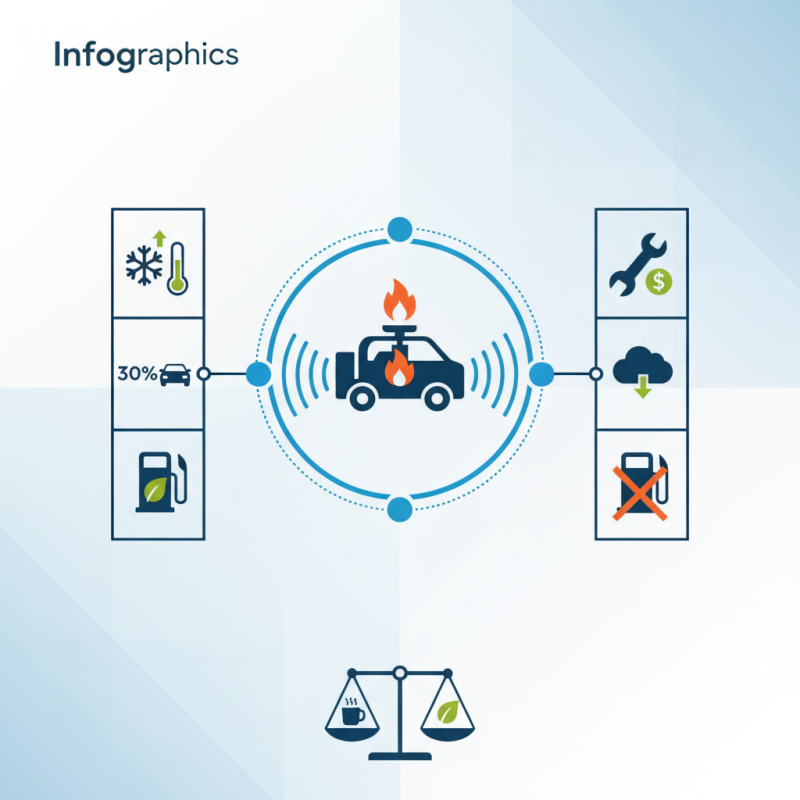
Gasoline Parking Heaters are increasingly popular in colder regions. These devices provide efficient heating for vehicles, especially during winter months. According to industry statistics, around 30% of car owners in northern climates use such heating solutions to enhance comfort.

A Gasoline Parking Heater operates by utilizing the vehicle's fuel to generate heat, allowing the engine and cabin to warm up quickly. This technology not only improves comfort but also reduces engine wear. However, potential drawbacks exist. Some users may not be aware of installation costs or maintenance needs.

Effective use of a Gasoline Parking Heater can reduce fuel consumption by 20%. Yet, improper use may lead to environmental concerns. Striking a balance between comfort and sustainability remains a challenge for many drivers.
What is a Gasoline Parking Heater and How Does it Work?

What is a Gasoline Parking Heater?

A gasoline parking heater is an auxiliary heating device, primarily used in vehicles. It provides warmth to the cabin, ensuring driver comfort in cold climates. These heaters are particularly beneficial for those who spend long hours parked in chilly conditions.

Research from recent industry reports indicates that the global market for gasoline parking heaters has been growing steadily. In fact, reports show a rise of approximately 7% annually over the past five years. This increase highlights the growing need for reliable heating solutions in colder regions. Such heaters consume fuel directly from the vehicle's tank and can run independently of the engine. A typical heater operates efficiently at temperatures as low as -20 degrees Celsius, making them essential in extreme weather.

However, user awareness about potential risks is crucial. Improper installation or maintenance can lead to safety hazards. Some consumers report issues with noisy operation or fuel consumption concerns. Addressing these imperfections and ensuring proper usage can enhance the overall experience with gasoline parking heaters.

Gasoline Parking Heater Efficiency Comparison

The above bar chart illustrates the heating efficiency of various gasoline parking heater models. Each model shows a different level of efficiency, indicating how effectively it converts fuel into heat. This can help consumers make informed decisions based on their heating needs.

Key Components of a Gasoline Parking Heater

A gasoline parking heater is an efficient device used to warm up vehicles in cold conditions. Its key components play a crucial role in its functionality. One essential part is the combustion chamber. Here, gasoline mixes with air and ignites, producing heat. It works continuously as long as there’s fuel.

Another critical component is the heat exchanger. This element transfers heat from the combustion chamber to the air that will flow into the vehicle. Proper insulation around the heat exchanger is important. Poor insulation can lead to heat loss, making the heater less efficient.

Finally, the control unit regulates the heater's operation. It ensures the right amount of fuel is fed into the combustion chamber. If the control unit malfunctions, the heater may not work correctly. Regular maintenance can prevent this issue. However, many users overlook this step. It’s crucial for efficiency and lifespan.

How Does a Gasoline Parking Heater Work?

A gasoline parking heater is a useful device. It heats your vehicle's interior while parked. This is especially helpful in cold weather. The heater draws gasoline from the tank. Then, it burns it to create heat.

How does a gasoline parking heater work? It starts with the fuel pump. The pump sends gasoline to the heater. Inside, a combustion chamber ignites the fuel. A fan blows warm air into the car. This can warm the vehicle in minutes. It’s more efficient than idling the engine.

Tips: Ensure regular maintenance of the heater. Dirty components can reduce efficiency. Also, consider the location of installation. A well-placed unit can heat the car faster.

While these heaters are great, they do have downsides. Fuel consumption can be higher than expected. Also, installation might not be straightforward. It's essential to follow guidelines closely. Some users may find trial and error to be necessary.

Benefits of Using a Gasoline Parking Heater

Gasoline parking heaters provide significant benefits for vehicle owners. These heaters are designed to warm the vehicle’s interior before you get in. This is especially advantageous during cold weather conditions. According to industry reports, parking heaters can reduce starting issues in freezing temperatures by up to 70%. This feature ensures that your vehicle is ready to go when you are.

Additionally, using a gasoline parking heater can improve fuel efficiency. A well-warmed engine operates more efficiently. This reduced engine wear can extend the life of the vehicle. The heating system uses less energy than running the engine for heating. In some cases, fuel savings can amount to 10-15%. However, users should be aware of installation issues and maintenance requirements. Poor installations can lead to safety concerns or inefficient operation. Regular maintenance is necessary to keep the system working effectively.

In terms of comfort, these heaters create a cozy environment. Imagine stepping into a warm car on a frosty morning. This convenience can significantly enhance the overall driving experience. However, not all users recognize the importance of routine checks. Neglecting maintenance may lead to performance drops. Prioritizing proper care is essential for maximizing benefits.

Installation and Maintenance of Gasoline Parking Heaters

Installing a gasoline parking heater can be a rewarding experience. It provides warmth for your vehicle during cold weather. However, proper installation is crucial for efficiency and safety. Begin by choosing a suitable location inside the vehicle. Look for a flat, well-ventilated area. Ensure there's enough clearance to prevent heat damage.

When connecting the heater, follow the manufacturer’s guidelines closely. Use quality materials for duct work and wiring. This step is important. Not all connections are straightforward. Miswiring can lead to malfunctioning heaters. Regular maintenance is essential for longevity. Clean the fuel filter and check hoses for leaks. Schedule a thorough inspection at least once a year. These checks can prevent unexpected breakdowns.

Pay attention to your heater's performance. If you notice weak heating, it may require troubleshooting. Sometimes, a simple adjustment fixes the problem. Don’t overlook the importance of following safety protocols during installation and maintenance. Ignoring safety can lead to serious issues. Consider documenting your maintenance activities as a reference. This record helps in identifying patterns in performance.

What is a Gasoline Parking Heater and How Does it Work? - Installation and Maintenance of Gasoline Parking Heaters

Feature Details
Heating Method Uses gasoline to generate heat for the vehicle's cabin
Fuel Efficiency Typically consumes 0.1 to 0.5 liters per hour
Installation Method Directly mounted in the engine compartment or under the vehicle
Control System Can be operated manually or via a programmable timer
Safety Features Includes overheating protection and low fuel cutoff
Maintenance Requirements Requires annual inspection and fuel filter replacement
Typical Usage Commonly used in cold climates for pre-heating vehicles
Temperature Range Can heat the cabin to approximately 20°C (68°F) within 20 minutes