
2026 How to Choose the Best Stainless Steel Bar Grating?
Choosing the right Stainless Steel Bar Grating is essential for various applications, from industrial to architectural uses. This choice can significantly affect durability and safety. High-quality gratings offer strength and resistance to corrosion, making them ideal for demanding environments.
When selecting Stainless Steel Bar Grating, consider key factors. The type of stainless steel matters. Different grades offer varied strength and resistance to elements. For example, 304 stainless steel is common, but 316 is better for marine environments.
Additionally, evaluate the spacing and thickness of the bars. These features impact load-bearing capacity. However, finding the perfect balance can be tricky. Too wide a spacing may compromise strength, while too narrow can be harder to clean. Ultimately, your decision should reflect both practical needs and aesthetic preferences.
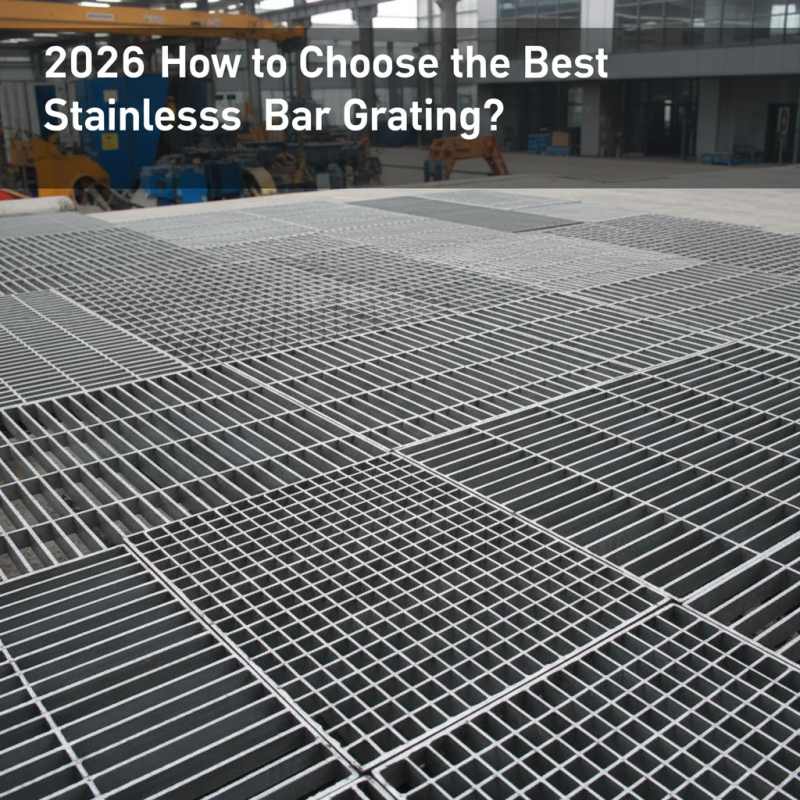
Understanding Stainless Steel Bar Grating: Key Properties and Benefits
Stainless steel bar grating is a versatile material widely used in various applications. Its key properties start with strength. Stainless steel provides excellent load-bearing capabilities. This makes it suitable for high-traffic areas. Corrosion resistance is another vital property. It ensures longevity, especially in harsh environments.
The benefits of using stainless steel bar grating are numerous. It is easy to clean, promoting hygiene in industrial settings. Additionally, the open design allows for drainage and airflow. This prevents water accumulation. However, buyers should consider the weight. Heavier grates may require more robust supporting structures.
Moreover, while stainless steel grating is durable, it can be costly. It's essential to evaluate the position where you plan to install it. Sometimes, less expensive materials might suffice. Choosing the right grating involves weighing your specific needs against budget constraints. Understanding these properties and benefits will help make an informed decision.
Types of Stainless Steel Bar Grating: Which Is Right for Your Project?
When selecting stainless steel bar grating, understanding the types available is essential. Common types include welded, molded, and swaged grating. Each type serves different needs based on the project requirements.
Welded grating is ideal for heavy loads and high-demand environments. It consists of bearing bars and cross bars welded together. This helps create a sturdy structure that can withstand significant weight. Molded grating, on the other hand, is lightweight and offers excellent corrosion resistance. It is made by molding resin and fiberglass into a grating structure. This type is often used in chemical plants and food industries, where non-corrosive properties are critical.
When choosing a type, consider the environment it will be used in. For outdoor applications, resistance to weather elements is vital. For industrial uses, the load-bearing capacity is key.
Tips: Consider the spacing between the bars. Closer spacing increases strength but may trap debris. Check for compliance with local safety regulations. Lastly, always reflect on the specifics of your project. Don't overlook the importance of maintenance in your decision.
2026 How to Choose the Best Stainless Steel Bar Grating? - Types of Stainless Steel Bar Grating: Which Is Right for Your Project?
| Type of Stainless Steel Bar Grating | Material Grade | Load Capacity | Common Applications | Thickness |
|---|---|---|---|---|
| Heavy Duty Bar Grating | 304 Stainless Steel | Up to 1000 lbs. | Industrial Flooring, Walkways | 1/4 inch |
| Light Duty Bar Grating | 316 Stainless Steel | Up to 500 lbs. | Platforms, Mezzanines | 1/8 inch |
| Composite Stainless Steel Grating | 304 Stainless Steel with Polymer | Up to 600 lbs. | Wet Areas, Chemical Processing | 3/16 inch |
| Architectural Grating | 304 Stainless Steel | Varies based on design | Decorative Applications, Railing Systems | 1/4 inch |
Factors to Consider When Choosing Stainless Steel Bar Grating
When selecting stainless steel bar grating, several factors should be considered. One essential aspect is the material's grade. Different grades offer varying levels of corrosion resistance and strength. For example, Grade 304 is more common but may not perform well in highly corrosive environments. A higher grade, like 316, provides better protection. Understanding your environment helps in making an informed choice.
Another key factor is the load-bearing capacity. Grating must support specific weights without bending or breaking. This can profoundly affect safety and functionality. Measure the expected load before making a decision. Also, consider the spacing of the bars. Closer spacing increases strength but may also trap debris, complicating maintenance.
Aesthetic appearance plays a role, too. Stainless steel can fit various designs. A polished finish adds elegance, while a rougher texture may offer better traction. This choice may affect safety if the grating is used in pedestrian areas. Balancing these factors can be challenging but essential. Reflecting on all these elements will ensure a more thoughtful decision.
2026: Factors to Consider When Choosing Stainless Steel Bar Grating
Installation and Maintenance Tips for Stainless Steel Bar Grating
Stainless steel bar grating is a popular choice for various applications due to its durability and resistance to corrosion. Proper installation and maintenance are crucial for maximizing its lifespan. A well-installed grating should be flush with the surface it covers, preventing tripping hazards. It must also have adequate drainage to avoid water pooling, which can lead to rust and deformation over time.
Regular inspection is essential. Research shows that around 30% of grating problems stem from improper maintenance. Checking for loose bars and signs of wear can help identify issues early. If a bar is damaged, it should be replaced promptly. Additionally, cleaning the grating with water and mild detergent can prevent buildup of grime and corrosive substances.
Attention to detail in maintenance can save costs. A study by the International Grating Association reveals that regular upkeep can extend the life of stainless steel grating by 50%. Ensuring that your grating is installed and maintained properly could prevent unexpected expenses and safety hazards down the line. Testing its load resistance and ensuring compliance with specifications is also critical. Take care of your grating, and it will take care of you.
Cost-Effectiveness and Lifespan of Stainless Steel Bar Grating Options
When considering stainless steel bar grating, cost-effectiveness and lifespan are vital factors. Stainless steel is durable and resistant to corrosion. However, not all grating options are created equal. Evaluate your specific needs before making a choice.
Tips: Consider the environment where the grating will be used. Heavy traffic areas may require thicker bars. Pay attention to the type of stainless steel used; different grades can offer varying lifespans.
The initial cost may seem high, but think long-term. Stainless steel grating often lasts for decades. This lifespan can offset the starting price. Maintenance is usually minimal, further enhancing its cost-effectiveness.
Tips: Assess any potential repairs needed over time. Sometimes, less expensive options may require frequent replacements. Think about the installation costs as well, as these can add to overall expenses. Ensure you choose a reliable supplier offering quality assurance to prevent future headaches.