
What is a Magnetic Switch and How Does It Work?

Magnetic Switches are essential components found in various industries, including automotive, manufacturing, and home automation. According to a recent market research report, the global magnetic switch market is projected to reach $1.4 billion by 2026, driven by increasing demands for efficient and reliable technology. These switches capitalize on magnetic fields to open or close circuits, offering a highly dependable solution for various applications.

In practice, a magnetic switch operates through a magnet that activates the switch mechanism when in proximity. This creates a seamless operation, making them ideal for safety and security systems. Notably, the longevity of magnetic switches is a critical factor, as they typically have a lifespan that surpasses traditional Mechanical Switches. Despite these advantages, users should consider the potential for magnetic interference in certain environments, which could limit performance.

Understanding how a magnetic switch functions is vital for ensuring proper application. The intricate balance of magnetism and circuitry can create challenges for engineers and designers. As industries evolve, keeping abreast of these developments becomes crucial for anyone involved. The magnetic switch represents a blend of innovation and reliability, yet it requires careful integration into technological frameworks to avoid operational pitfalls.
What is a Magnetic Switch and How Does It Work?

Definition of a Magnetic Switch and Its Key Components

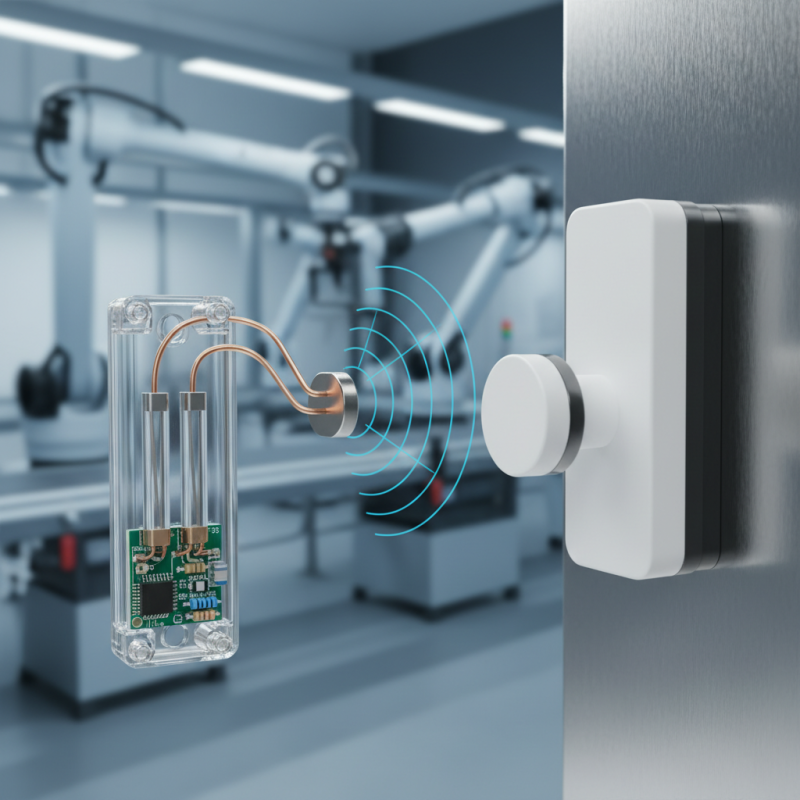
A magnetic switch is an essential component in various electronic applications. It relies on the interaction between magnetic fields and electrical circuits. The core of the magnetic switch is typically a reed switch. This switch consists of two thin metal reeds sealed in a glass envelope. When exposed to a magnetic field, the reeds come together, completing the electrical circuit.

The key components of a magnetic switch include the reed switch itself and a magnet. The magnet generates the magnetic field needed to activate the switch. In some configurations, additional components like resistors or capacitors may enhance performance. These elements ensure reliable operation in diverse environments. But not every magnetic switch is perfect. Sometimes the reed contacts can become welded together after prolonged use, leading to failures.

Understanding the working principles of a magnetic switch is critical. Attention to detail in the installation and selection of parts can significantly improve longevity and reliability. For instance, the magnet's strength must match the switch specifications. Improper pairing can result in erratic behavior or complete failure. Evaluating various designs and setups can foster a better understanding of this technology and optimize its effectiveness.

Principles of Operation: How Magnetic Switches Function

Magnetic switches, often used in security systems, operate based on magnetic fields. They can be simple yet effective devices in triggering alarms or controlling electrical circuits. These switches consist of two main components: a magnet and a reed switch. When the magnet approaches the reed switch, it closes and completes the circuit, allowing current to flow. This principle is often called magnetic closure.

The operation of a magnetic switch is influenced by the strength of the magnetic field. According to a report by the International Electrotechnical Commission (IEC), the effectiveness of these switches can decrease by 30% if they are not calibrated properly. In practice, the distance between the magnet and reed switch also plays a crucial role. A gap larger than 10mm may result in failure to activate the switch.

These switches are not without limitations. Environmental factors such as temperature and humidity can impact their functionality. A study from the Institute of Electrical and Electronics Engineers (IEEE) found that extreme weather conditions could lead to a 15% increase in failure rates. It's essential to account for these variables during installation and setup. An understanding of these principles ensures effective use and reliability of magnetic switches in various applications.

Common Applications of Magnetic Switches in Various Industries

Magnetic switches have become essential components across various industries. Their ability to detect magnetic fields has led to widespread use in security systems, automation, and sensing devices. In the realm of security, these switches often act as door and window sensors. When the door opens, the magnetic switch breaks the circuit, triggering an alarm. This is a straightforward yet effective way to enhance security in homes and businesses.

In industrial settings, magnetic switches play a vital role in machinery control. They can ensure equipment operates smoothly by detecting the position of moving parts. For instance, in conveyor systems, magnetic switches can signal when the belt reaches a specific location. This integration improves efficiency and minimizes downtime. Yet, one must remember that over-reliance on magnetic switches can lead to unexpected failures, especially if maintenance is overlooked.

Another common application is in the automotive sector. Magnetic switches are used in keyless entry systems, which offer convenience but may compromise security if not designed properly. These systems rely on magnets to communicate with the vehicle. While effective, issues can arise if the magnetic field is disrupted. A careful approach to the implementation and understanding of these switches is crucial for reliability across all applications.

What is a Magnetic Switch and How Does It Work? - Common Applications of Magnetic Switches in Various Industries

Industry Application Function Benefits
Automotive Door sensing Detects open/close status of doors Enhances safety and convenience
Security Alarm systems Triggers alarms when doors/windows are opened Improves property protection
Manufacturing Machine safety Shuts down machines if protective doors are opened Reduces workplace injuries
Home Automation Smart lighting Controls lights based on door status Enhances energy efficiency
Healthcare Medical device safety Ensures devices are only operational when secured Improves patient safety

Advantages and Disadvantages of Using Magnetic Switches

Magnetic switches, known for their simplicity, have notable advantages and disadvantages. One significant advantage is their contactless operation. They require no physical interaction, which reduces wear and tear. This feature enhances their reliability for long-term use. Furthermore, they offer high resistance to environmental factors such as dust and moisture. This makes them suitable for various applications, from industrial systems to home security.

However, there are downsides to consider. Magnetic switches can exhibit erratic behavior in fluctuating magnetic fields. This can lead to unintended switching. Additionally, they may be less sensitive than traditional mechanical switches, affecting performance in certain contexts. Users must evaluate these trade-offs carefully.

Tips: Regularly check magnetic switch placements. Ensure they are free from interference. This helps maintain functionality. Choosing the right setup can prevent performance issues. Be mindful of environmental variables. A little adjustment might improve reliability.

Advantages and Disadvantages of Using Magnetic Switches

Maintenance Tips for Ensuring the Longevity of Magnetic Switches

Magnetic switches are simple yet effective devices. They rely on magnetic fields to operate. To ensure their longevity, regular maintenance is crucial.

Keep the switch clean. Dust and debris can affect performance. Use a soft cloth to wipe down the surface. Avoid harsh chemicals that might damage components. It's also wise to inspect for any signs of wear or corrosion. Early detection can prevent bigger issues down the line.

Check the alignment regularly. Misalignment can lead to mechanical failure. If the switch is misaligned, adjust it for optimal functioning. Furthermore, environmental factors play a role. Excessive moisture or temperature changes can impact the switch. Protect the switch from extreme conditions to maintain its durability.