
Why is a Print Flaw Detection System Essential for Quality Control?

In the world of printing, quality is paramount. A Print Flaw Detection System plays a crucial role in achieving this quality. With the increasing demand for flawless prints, detecting imperfections has become essential. Ink smudges, color mismatches, and alignment issues can severely impact the final product.

Quality control in printing ensures customer satisfaction. This is where a Print Flaw Detection System comes into play. It identifies defects early in the process, preventing costly waste and reprints. However, not all systems are created equal. Some may miss subtle flaws, leading to problems down the line. This raises questions about the effectiveness of current technologies.

Investing in a reliable detection system is vital. It safeguards businesses from potential losses due to poor quality. However, reliance on technology alone is not enough. Regular audits and updates to the system are necessary for optimal performance. Addressing these challenges will enhance the overall quality in the printing industry.
Why is a Print Flaw Detection System Essential for Quality Control?

The Importance of Print Flaw Detection in Modern Manufacturing

In modern manufacturing, print flaw detection is vital for maintaining high quality. A study revealed that up to 30% of production errors result from printing defects. This statistic highlights the need for robust detection systems. Without these systems, manufacturers risk significant financial losses and demand plenty of rework. Additionally, the quality of printed materials directly impacts brand reputation. A single flawed print can tarnish customer trust.

Investing in print flaw detection technology is no longer optional. According to industry data, manufacturers who implement such systems report a 20% increase in overall efficiency. This improvement stems from early detection of flaws, ensuring that defects are addressed before reaching consumers. Ignoring print quality could lead to a backlog of products that do not meet standards.

However, not all detection systems are created equal. Some technologies fail to catch every imperfection, leaving potential issues unresolved. This gap can cost organizations not only in material but also in customer satisfaction. Continual assessment of these systems is essential. Making adjustments based on existing shortcomings can enhance overall production processes. Addressing these flaws is crucial for sustained success in a competitive market.

Key Components of a Print Flaw Detection System

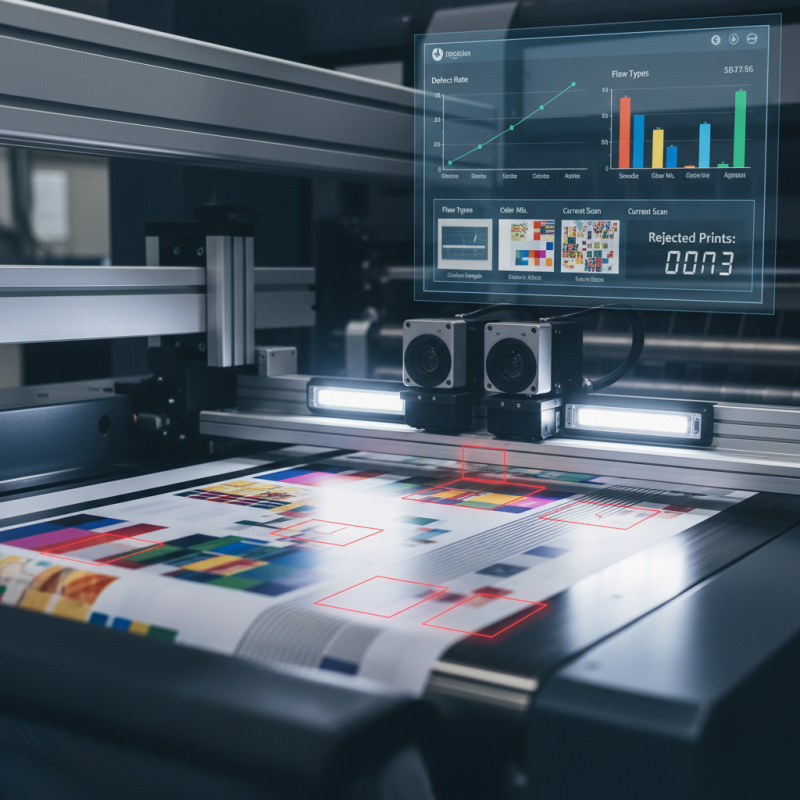
A Print Flaw Detection System is vital for maintaining quality in printing processes. It relies on several key components to function effectively. First, high-resolution cameras capture images of printed materials. These cameras must operate swiftly and accurately, ensuring that even minor flaws are detected. Fast processing speeds also play a crucial role. If the system lags, errors may be missed, leading to production issues later on.

Another important element is the software that analyzes the captured images. This software should utilize advanced algorithms to identify defects. Common problems include smudges, misalignments, and color inconsistencies. Each of these issues can compromise the overall quality. However, the software must not solely focus on errors; it should also allow for some flexibility. Not every print that appears flawed truly is. Some imperfections may not affect the final product’s functionality.

Finally, integration with existing systems is essential. A seamless connection allows for real-time feedback and adjustments. It’s crucial for maintaining a smooth workflow. Yet, this integration often faces challenges. There may be compatibility issues with older machines or software. It’s important to constantly reassess the system's effectiveness. Continuous improvement is necessary for optimal performance.

Methods for Effective Print Flaw Identification

A print flaw detection system is vital for maintaining quality in any printing process. Identifying flaws early can save time and resources. Various methods exist for effective flaw identification. Visual inspections are common but often subjective. They rely on human capability, which varies.

Automated systems can utilize imaging technology to detect anomalies. These systems analyze prints at high speeds. However, they are not foolproof. Lighting conditions and material differences can affect accuracy. Operators must understand these limitations for effective use.

Tips:

  • Train your staff on both visual and automated detection methods.
  • Regularly calibrate your machines for optimal performance.
  • Always allow room for human oversight even in automated processes.
A hybrid approach often yields better results in flaw detection.

Impact of Print Flaw Detection on Product Quality and Brand Reputation

Print flaw detection systems play a crucial role in maintaining high product quality. When flaws occur, they can tarnish the overall appearance. This affects customer satisfaction. A single misprint can lead to negative perceptions of a brand. Consumers often judge a product by its outward appearance. If it looks flawed, trust in the entire brand may wane.

Moreover, the impact of print flaws can extend beyond immediate quality issues. These defects can lead to costly returns and damaged reputation. The market's competitive nature means that brands cannot afford unnecessary mistakes. A sleek, error-free design builds consumer confidence. Ignoring flaws can suggest negligence in production processes. This impression often lingers in the minds of customers. Brands must recognize that quality control is not just an operational task, but also a critical investment in their image.

Implementing a robust print flaw detection system isn't just about fixing current issues. It reflects a commitment to excellence. As companies evaluate their processes, complacency can be a pitfall. Regular audits and updates are necessary to adapt technology. Continuous improvement in flaw detection is essential to stay relevant. Brands must embrace the challenge of quality, or they risk fading into obscurity.

Why is a Print Flaw Detection System Essential for Quality Control?

Dimension Importance Impact on Product Quality Impact on Brand Reputation
Detection Accuracy High Reduces defects, ensuring high standards Enhances customer trust in product reliability
Real-time Monitoring Medium Allows immediate correction of issues Promotes a positive brand image through responsiveness
Cost Efficiency Medium Minimizes waste and rework Improves profitability, enhancing brand sustainability
Integration Capabilities High Seamless incorporation into existing systems Strengthens overall brand infrastructure
User Training High Ensures effective use of detection systems Reflects commitment to operational excellence

Future Trends in Print Flaw Detection Technology

The landscape of print flaw detection technology is evolving rapidly. Currently, many companies rely on manual inspection methods. However, these methods are prone to human error and inconsistencies. Recent industry reports indicate that up to 30% of defects go unnoticed in traditional systems. This poses a significant risk to quality control in manufacturing. Implementation of automated detection systems can reduce this error margin significantly, leading to improved product quality.
Future trends indicate a shift towards advanced machine learning algorithms. These technologies enhance the ability to detect flaws with great accuracy. Research shows that automated systems can identify defects as small as 0.1 mm. This precision opens new avenues for industries like packaging and textiles. Additionally, real-time data analytics will allow manufacturers to adjust processes promptly. Yet, reliance on technology raises questions about the human element in quality assurance.
Despite advancements, challenges remain. Integration of new systems can be costly and time-consuming. Many organizations struggle with outdated infrastructure, limiting their ability to adapt. The transition to these innovative solutions requires a reevaluation of existing practices. Each step forward must be paired with a commitment to continuous improvement, ensuring no defect slips through the cracks.