
What is the Sand Molding Process in Manufacturing?
The sand molding process is a critical technique in manufacturing. This method allows for the creation of intricate shapes and forms, essential in various industries. According to John Smith, an expert in metal casting, "The sand molding process is the backbone of modern manufacturing." His insight emphasizes the process's importance in producing quality products.
Using sand as a molding material has its advantages. It’s versatile and can withstand high temperatures. However, imperfections can arise during the process. For instance, air pockets may form in the mold, leading to defects. Such issues require careful attention.
In addition, the quality of sand affects the final product. Not every type of sand works well for molding. Additionally, the mixture's consistency plays a significant role. Every manufacturer must consider these factors for the sand molding process to yield optimal results. Addressing these challenges is vital for continuous improvement in manufacturing.
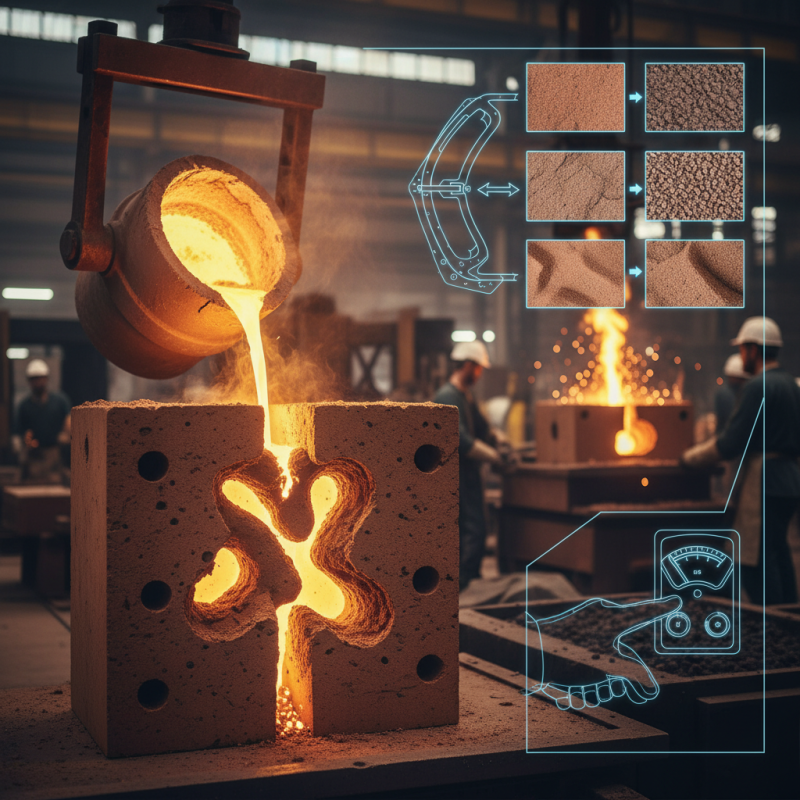
Overview of the Sand Molding Process in Manufacturing
The sand molding process is a key technique in manufacturing. It involves creating molds from sand to form various metal parts. This method is popular due to its flexibility and cost-effectiveness.
During the process, a mixture of sand, clay, and water is shaped around a pattern. This forms the mold, which is then hardened. Once ready, the mold holds molten metal, allowing it to solidify into the desired shape. Despite its efficiency, the process has downsides. Sand can break easily, leading to defects in the final product. Additionally, the skill levels of workers can affect the outcome.
Many manufacturers face challenges with consistency. Inconsistent sand mixtures can lead to variations in mold strength. Proper training and equipment maintenance are essential for success. Reflection on these areas can improve results and reduce waste. The sand molding process showcases both the intricacies and the potential pitfalls of traditional manufacturing.
Materials Used in Sand Molding: Types of Sand and Binders
The sand molding process is a popular manufacturing method, especially in metal casting. The choice of materials significantly affects the mold's quality. The two main components are sand and binders. Various types of sand are used, with silica sand being the most common. According to industry reports, it accounts for about 70% of the sand used in foundries. This high percentage reflects silica's excellent thermal stability and strength.
Alongside sand, binders play a crucial role. Oil-based binders and water-based binders are common choices. Among them, sodium silicate binder is noted for its eco-friendly profile. Reports indicate that the demand for green sand molding, which utilizes no-bake binder systems, is on the rise. In fact, green sand molding's market share has increased by 5% over the past few years. However, the balance between quality and cost remains a concern. Some manufacturers struggle to find the right mix of sand and binder.
The process often faces challenges. Some molds experience defects like sand erosion. The selection of inappropriate binder types can also lead to poor mold strength. Finding the ideal combination of materials is critical for successful molding. Manufacturers need to continuously adapt to achieve better results. Each decision affects the overall quality of the cast components.
What is the Sand Molding Process in Manufacturing?
| Aspect | Details |
|---|---|
| Process Steps | 1. Pattern creation 2. Molding material preparation 3. Molding 4. Pouring molten metal 5. Cooling and solidification 6. Shakeout |
| Types of Sand |
|
| Binders Used |
|
| Advantages |
|
| Disadvantages |
|
Step-by-Step Procedure of the Sand Molding Process
The sand molding process is a popular technique in manufacturing. It involves several key steps to create a mold for metal casting. The first step is to prepare the sand. A mixture of sand, clay, and water is kneaded until it reaches the right consistency. This mixture must be uniform. Any inconsistency can affect the mold's quality.
Next, the mold is created. The sand mixture is packed tightly around a pattern, which is the shape of the desired object. The packing must be firm but not too hard. Over-packing can damage the pattern. After shaping, the mold is carefully removed, leaving a cavity.
Finally, the mold is ready for the metal pouring. This step requires precision, as the temperature of the molten metal is crucial. If the metal is too hot or too cold, it can lead to defects. After pouring, the mold needs time to cool before it can be broken open. Flaws in the cooling process can also affect the final product. This process requires practice; mistakes can happen, and learning from them is essential.
Sand Molding Process in Manufacturing: Production Volume
This bar chart represents the production volume of sand molding in manufacturing over a six-week period. It shows an increase in units produced, indicating a gradual scale-up in production capacity.
Common Applications and Industries Utilizing Sand Molding
Sand molding is widely used in various industries for producing intricate metal parts. This process finds applications primarily in automotive, aerospace, and construction sectors. In automotive manufacturing, sand molds create engine components, transmission housings, and other critical parts. The adaptability of sand molds allows for complex shapes, supporting innovative designs.
In the aerospace industry, sand molding plays a crucial role in producing lightweight, strong components. These parts often meet strict safety and performance standards. However, maintaining quality control can be challenging. Flaws in molds can lead to defects in finished products, which might require costly rework.
The construction sector utilizes sand molding for casting concrete and other materials. This method supports the creation of architectural features and structural elements. Yet, reliance on this process can lead to inconsistencies. Fine-tuning techniques and methods is essential to ensure reliable output. The need for constant improvement highlights the dynamic nature of sand molding in manufacturing.
Advantages and Limitations of Sand Molding in Manufacturing
The sand molding process is popular in manufacturing for its simplicity and cost-effectiveness. It involves creating molds from sand, allowing for intricate designs. One advantage of this method is its versatility. Different materials can be cast using sand molds. This enables manufacturers to produce a wide variety of parts.
However, there are limitations to consider. The surface finish from sand molds is often rough. This may require additional machining to achieve better quality. Furthermore, the sand can crumble, affecting mold durability. In high-volume production, this could slow down efficiency. There's also the risk of sand contamination, which can lead to defects in the final product. Though effective, the process sometimes demands careful monitoring and adjustments.