
How to Use Desizing Enzyme for Effective Fabric Processing?

In the textile industry, the use of desizing enzyme has become increasingly essential. Desizing enzymes help remove starches and other sizing agents from fabrics. This process is crucial for achieving the desired softness and readiness for dyeing or finishing.

Understanding how to effectively use desizing enzymes can significantly improve fabric processing. Manufacturers often struggle with enzyme application and timing. An improper approach may lead to subpar outcomes, such as uneven fabric quality. It's crucial to examine the specific enzyme used, as each has unique properties.

Proper usage of desizing enzymes involves careful measurement and application. Overuse can damage fibers, while underuse might leave residues. Each fabric type may react differently, leading to challenges during the desizing process. Continuous evaluation and adjustment are necessary for optimal results. Engaging with this topic can lead to reflections on improving overall fabric treatment in the industry.
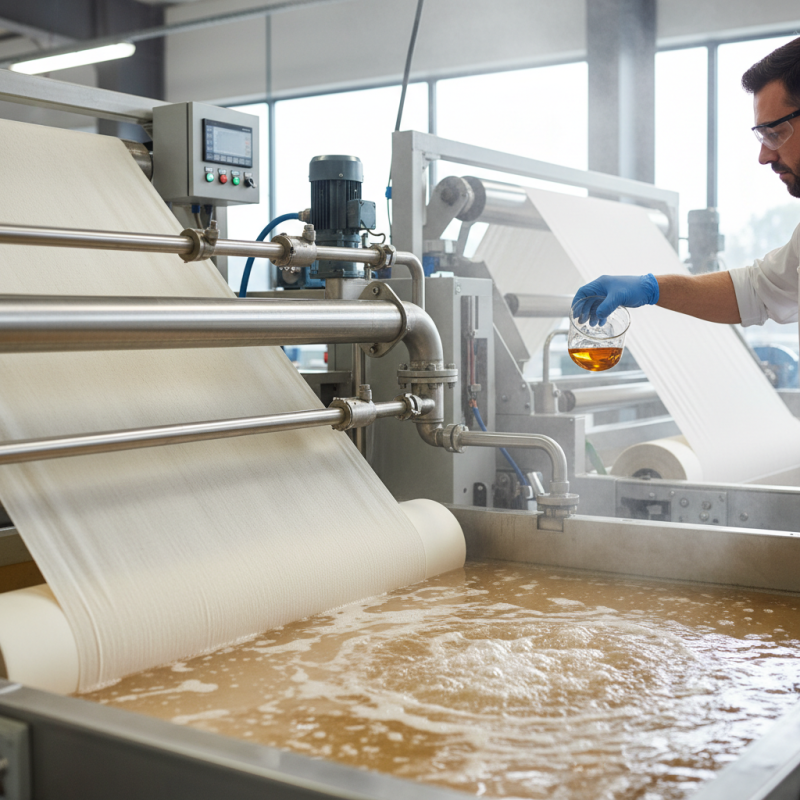
How to Use Desizing Enzyme for Effective Fabric Processing?

Understanding Desizing Enzymes: Definition and Mechanism of Action

Desizing enzymes play a vital role in fabric processing. They are natural catalysts that help remove sizing agents from textiles. Sizing agents are applied to yarns to enhance their strength during weaving. However, these agents must be removed to ensure better dye absorption and fabric softness.

These enzymes work by breaking down starches and other materials in the sizing agents. This process occurs at a molecular level. The enzymes attach to the sizing molecules, causing them to break apart. This reaction not only improves fabric quality but also minimizes water consumption during washing. It's fascinating how such tiny entities can have a huge impact on the final product.

However, using desizing enzymes is not without challenges. Temperature and pH must be carefully controlled. Too high or too low can reduce effectiveness. Some fabrics may show uneven desizing results. This inconsistency can lead to issues like patchiness in the final color. Understanding these factors is essential for achieving optimal results in fabric processing.

Types of Desizing Enzymes Used in Fabric Processing and Their Applications

Desizing enzymes play a crucial role in fabric processing. There are different types used for various applications. Amylases are among the most common. They effectively break down starch-based sizing agents. This makes the fabric easier to dye and finish. However, the effectiveness can vary based on the fabric type. Understanding this is vital for achieving optimal results.

Cellulases are another type of desizing enzyme. They target cellulose fibers and improve fabric softness. This enzyme helps remove impurities while enhancing the texture. However, overuse may weaken the fabric. It is important to find the right balance.

Proteases also have their place in desizing. They work on protein-based sizing agents, which are often found in natural fibers. While effective, they can sometimes lead to unwanted damage if not monitored closely. Testing and adjusting enzyme concentrations is crucial to avoid issues. Each enzyme has unique properties that need careful consideration.

How to Use Desizing Enzyme for Effective Fabric Processing?

Type of Desizing Enzyme Application Advantages Recommended Concentration
Amylase Used for removing starch sizing from cotton fabrics. Eco-friendly, effective against various starches. 0.5% - 2% (based on fabric weight)
Pectinase Removes pectin used in the sizing of synthetic fabrics. Improves dye uptake, reduces water consumption. 0.2% - 1% (based on fabric weight)
Cellulase Effective for desizing fabrics with cellulose-based sizing agents. Enhances fabric softening, and reduces pilling. 0.1% - 0.5% (based on fabric weight)
Protease Used to remove protein-based sizes, often found in wool processing. Effective in softening fabrics, biodegradable. 0.5% - 1.5% (based on fabric weight)

The Importance of pH and Temperature in Enzyme Efficiency

When using desizing enzymes, pH and temperature are critical factors. Enzymes have specific ranges where they perform best. Deviating from these conditions can lead to poor results. For instance, a high pH can denature enzymes. This reduces their activity significantly, resulting in incomplete fabric processing.

Temperature is equally important. Most enzymes have optimal working temperatures. If the temperature is too low, enzyme activity slows down. On the contrary, excessive heat can also deactivate enzymes. Finding the sweet spot is essential for efficiency. Keeping an eye on these variables throughout the process is necessary.

Experimentation may be needed to determine the ideal pH and temperature. Many operators might overlook this. Small adjustments can make or break enzyme effectiveness. Even slight changes in conditions can lead to noticeable differences in fabric quality. Monitoring these factors requires diligence and attention to detail.

Case Studies: Industry Data on Desizing Enzyme Effectiveness

Desizing enzymes play a crucial role in fabric processing. Industry case studies reveal their effectiveness in various applications. One study focused on cotton textiles. The results showed a significant reduction in starch content. This resulted in improved dye uptake and color consistency. The lower residual starch also enhanced fabric softness, meeting consumer demand for comfort.

Another case involved synthetic fibers. The enzyme successfully removed sizing agents. This led to better wettability and processing speed. Factories reported less downtime, improving overall productivity. However, some issues emerged. Overuse of enzymes caused slight fabric damage in some cases. Workers noted that monitoring enzyme levels was essential. The right balance maximized effectiveness while minimizing risk.

Data from several mills showed varying success rates. Some mills achieved over 90% effectiveness. Others struggled to reach 70%. Factors included enzyme concentration, temperature, and time. These variables highlighted the need for precise control in processes. The findings urged industry players to reflect on their desizing protocols. Continuous adjustments could enhance outcomes and reduce costs.

Best Practices for Implementing Desizing Enzymes in Textile Industry

Desizing enzymes are essential in fabric processing. They help remove starches and other substances from textiles. To implement them effectively, it’s crucial to consider the right dosage and application method. Too much enzyme can weaken the fabric, which is not ideal. However, too little might leave residues, affecting the final product's quality.

Here are some tips for a successful desizing process. Always conduct a small batch test. This will help gauge the enzyme’s effectiveness without risking a large production run. Monitor the pH levels during application. Enzymes work best under specific conditions. If the pH is too high or low, their effectiveness could decrease significantly.

Additionally, timing is essential. Ensure that the enzymes have enough time to work on the fabric. Rushing this step may lead to incomplete desizing, causing issues later in production. Keep an eye on the temperature as well. Enzymes can be sensitive to heat. Too high a temperature might denature the enzymes, rendering them useless. Always be ready to adjust your methods based on results. Reflection can lead to improved practices over time.