
How to Use Hexagonal Wire Mesh for Your DIY Projects?

hexagonal wire mesh is a versatile material for DIY projects. It comes in various sizes and strengths, making it suitable for diverse applications. You can find it in local hardware stores or online, ready to spark creativity.

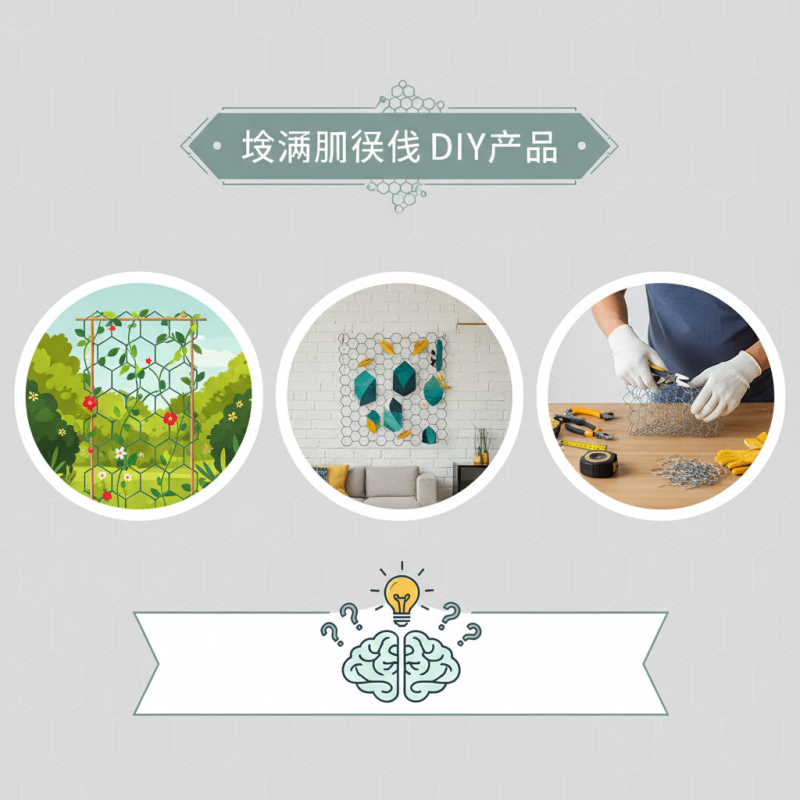
Imagine crafting a garden trellis using this unique mesh. The hexagonal shapes can support climbing plants while adding a rustic charm. You could also create decorative wall art. Just a few tools and some paint can transform simple wire mesh into something stunning.

However, using hexagonal wire mesh isn't always straightforward. Making precise cuts can be tricky at times. You might need to practice your technique. The end result, though, often outweighs the difficulties faced. This material encourages innovation and experimentation. Let’s explore the various ways to incorporate hexagonal wire mesh in your next DIY endeavor.
How to Use Hexagonal Wire Mesh for Your DIY Projects?

Understanding Hexagonal Wire Mesh: A Comprehensive Guide

Hexagonal wire mesh is a versatile material in various DIY projects. Understanding its applications can unlock creativity. In 2020, the global wire mesh market reached USD 4.3 billion, with hexagonal mesh representing a notable segment. Its unique shape provides excellent support, making it ideal for crafts and garden projects.

Using hexagonal wire mesh can seem straightforward. It’s commonly used for fencing, cages, and crafts. However, many DIY enthusiasts overlook its potential in art installations or decorative elements. A report from the American Institute of Steel Construction noted that using wire mesh creatively can enhance design aesthetics.

While working with hexagonal wire mesh, it’s crucial to pay attention to details. The edges can be sharp, posing a risk during handling. Mistakes happen, like miscalculating dimensions. These errors can dampen projects but offer lessons. Reflecting on these can lead to better designs. The texture and flexibility of varied mesh sizes allow diverse applications, but knowing how to manipulate these features is key. Be willing to experiment, even if it means facing challenges along the way.

How to Use Hexagonal Wire Mesh for Your DIY Projects

Feature Description Applications Sizes Available
Material Typically galvanized steel, stainless steel, or plastic coated Fencing, garden protection, and animal enclosures 12 to 36 inches wide
Mesh Size Varies from 1/2 inch to 2 inches Shrub supports, plant trellises, and home decor Standard roll lengths of 25 to 100 feet
Durability Resistant to rust and corrosion with proper treatment Long-term outdoor projects including animal fencing Custom cuts available upon request
Installation Can be cut and attached with staples or wire DIY crafts, picture frames, and storage solutions Available in different wire gauges for various strength

Common Applications of Hexagonal Wire Mesh in DIY Projects

Hexagonal wire mesh is a versatile material ideal for various DIY projects. Its unique shape provides strength and stability, making it suitable for fencing and garden solutions. Many people use it to create trellises for climbing plants. This not only supports the plants but also adds a decorative touch to gardens.

Another common application is in animal enclosures. Whether you're building a rabbit hutch or a chicken coop, hexagonal wire mesh offers protection. It keeps pets safe while allowing for airflow and visibility. Many DIY enthusiasts appreciate how easy it is to cut and mold. However, mistakes can happen, like sizing errors or uneven cuts. Reflecting on these can lead to better results in future projects.

Some use hexagonal mesh for crafts or home decor. Creating wall art or decorative panels can be rewarding. Yet, achieving the desired look may require multiple attempts. It’s crucial to plan carefully before committing to any design. The key is to embrace the imperfections and learn from every project.

Essential Tools and Materials Needed for Working with Wire Mesh

When starting a DIY project with hexagonal wire mesh, having the right tools and materials is crucial. You'll need sturdy wire cutters to shape the mesh to fit your design. Pliers are essential for twisting and securing the mesh together. A measuring tape will help ensure accurate cuts. A protective pair of gloves is also necessary to protect your hands from sharp edges.

In addition to tools, consider what materials you'll need. Wire mesh rolls are a must; choose a gauge that suits your project's structural needs. Fasteners and staples can be handy for securing the mesh onto frames or surfaces. Keep a strong adhesive on hand for extra stability. Sometimes, the initial setup might not go as planned. You might find areas where the mesh doesn't fit perfectly. This is an opportunity to adapt your project. Embrace the imperfections, as they often lead to creative solutions. Reflecting on your process can enhance your future endeavors.

DIY Projects Using Hexagonal Wire Mesh

This bar chart illustrates the popularity of different DIY projects utilizing hexagonal wire mesh based on survey data from DIY enthusiasts. The projects include Fencing, Garden Decorations, Bird Cages, and Storage Solutions.

Step-by-Step Process for Cutting and Shaping Hexagonal Wire Mesh

Hexagonal wire mesh is a versatile material for a variety of DIY projects. Working with it requires careful cutting and shaping techniques to achieve desired results. According to industry reports, a significant percentage of DIY enthusiasts struggle with mesh cutting, leading to frustration. The right approach can enhance your project.

To begin cutting hexagonal wire mesh, mark your desired dimensions with a permanent marker. Use wire cutters or a heavy-duty pair of scissors for more precise cuts. Ensure you’re wearing protective gloves. Safety is paramount, as sharp edges can be hazardous. When shaping the mesh, consider forming it into a cylinder or other geometric shapes. This is commonly used for garden landscaping or crafting decorative pieces.

Shaping is another challenge. A heat source can assist, but only apply it to specific areas. It’s a fine balance. Too much heat can warp the wire. Many users find uneven shapes and sharp bends. Careful measurements help mitigate these issues. Remember that practice is vital. Even the most seasoned DIYer encounters mistakes. Acknowledging these moments can lead to better techniques in the future.

Tips for Enhancing the Durability and Aesthetics of Your Projects

Hexagonal wire mesh is a versatile material commonly used in various DIY projects. To enhance the durability of your creations, it is essential to consider the mesh's quality and the type of coating. According to industry data, galvanized hexagonal wire mesh can withstand harsh weather conditions, offering protection against corrosion. Reports indicate that this type of mesh can last up to 30 years when properly maintained.

Aesthetics also play a vital role in DIY projects. Using hexagonal wire mesh creatively can add a unique touch to your backyard or home decor. For example, incorporating colored or painted mesh can elevate the visual appeal of garden trellises or fencing. Integrating other materials, such as wood or stone, can create an interesting contrast. However, experimentation may lead to unexpected results. Embrace the imperfections that arise in the process, as they often spark inspiration for improvement.

Consider incorporating plants or decorative elements into your hexagonal mesh projects. This can not only enhance aesthetics but also promote sustainability. Integrating live plants can change over time, offering an organic touch. However, monitoring these plants for growth and health requires ongoing effort. Balancing durability and aesthetics in your projects often leads to reflection on your choices. Always be open to refining your techniques for better outcomes.