
What is a Waterproof Micro Switch and How Does It Work?
The Waterproof Micro Switch is a crucial component in various applications. These switches excel in environments where moisture or dust can hinder standard switches. Dr. Emily Turner, an expert in automation technology, states, "Waterproof Micro Switches are essential for reliable performance in wet conditions."
Waterproof Micro Switches are crafted with protective seals. These seals prevent liquids from entering the switch, ensuring longevity. Many industries rely on these switches, from automotive to consumer electronics. However, not all switches are designed equally. Some may struggle under extreme conditions, leading to failure.
Understanding the functionality of a Waterproof Micro Switch is vital. The mechanism allows for reliable operation despite environmental challenges. Still, it is important to evaluate the specifications carefully. Not every switch labeled as waterproof can withstand harsh environments for long periods. Awareness of these limitations can help users choose the best options for their needs.
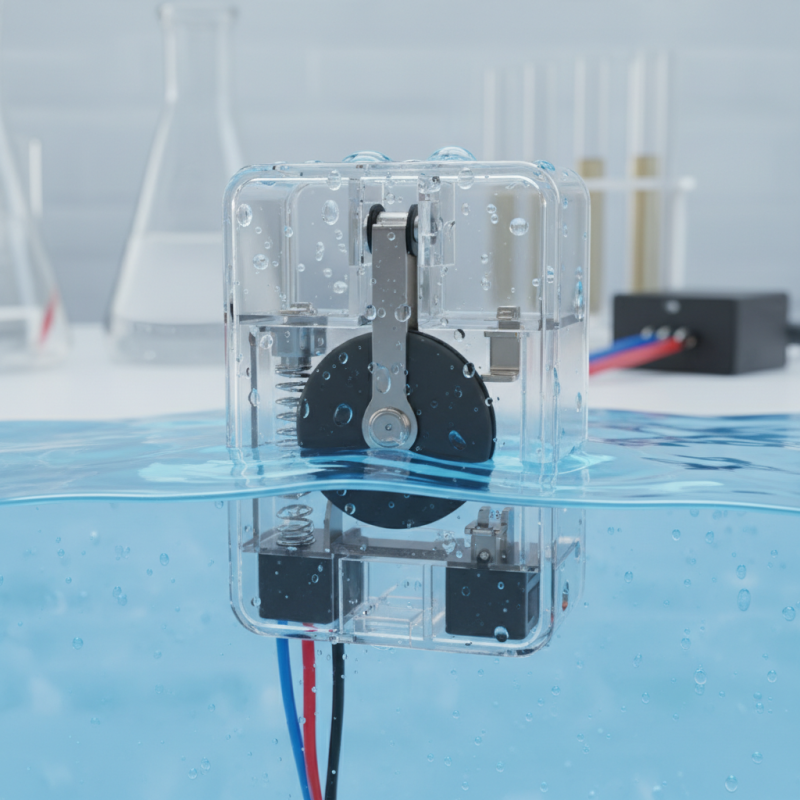
What Is a Waterproof Micro Switch?
A waterproof micro switch is a specialized switch that can operate in harsh conditions. It is designed to resist water, dust, and various chemicals. These switches are often used in outdoor equipment and automotive applications. They help ensure reliable function when exposed to moisture. According to industry reports, approximately 30% of switch failures are related to environmental exposure.
Waterproof micro switches work using a sealed housing and a reliable internal mechanism. They utilize gaskets to prevent water ingress. When the actuator is pressed, it completes the circuit, activating the connected device. This design allows them to operate accurately even in the wettest environments.
Tips: Always check the IP rating of a waterproof micro switch. Higher ratings indicate better protection against water and dust. Be cautious with installation, as improper placement can lead to failure. Regular maintenance can also help identify wear and tear early, ensuring longevity. Explore different types to find the right fit for your project.
Core Components of a Waterproof Micro Switch
Waterproof micro switches play a crucial role in various applications, especially in environments prone to moisture. Their core components ensure reliable performance even under challenging conditions. The typical design includes an actuator, a housing, and a sealing mechanism.
The actuator triggers the switch mechanism. It can be a physical lever or a button. This component’s sensitivity needs to be balanced. An overly sensitive actuator may lead to false activations. The housing protects the internal elements. It’s often made from durable materials like stainless steel or reinforced plastics that can withstand corrosion.
Sealing mechanisms, such as O-rings or gaskets, prevent water ingress. A report by Future Market Insights indicated that the waterproof micro switch market is projected to grow by 8% through 2030. However, manufacturers often face challenges in achieving optimal sealing without compromising usability. Testing the integrity of these seals is crucial. The performance might decline if the seals degrade over time. Thus, maintaining the integrity of the components is vital for long-term reliability.
Principle of Operation for Waterproof Micro Switches
Waterproof micro switches are designed to operate in wet conditions. They feature a sealed enclosure that protects internal components from moisture. This makes them ideal for outdoor use and environments prone to spills. The key to their effective operation lies in their mechanism. A small actuator triggers an electrical circuit when pressed. This circuit remains closed, allowing current to flow.
These switches work based on a simple principle. When you apply pressure, a spring-loaded mechanism inside the switch moves into position. It either completes or breaks the circuit, depending on the design. This motion is quick and reliable. Many users may not consider how important the sealing materials are. They should be durable and resistant to corrosion. Choosing the right materials can make a significant difference in longevity.
However, potential weaknesses exist. Over time, even waterproof seals may wear down. Environmental factors can degrade material properties. Users should inspect these switches regularly to ensure reliable performance. Moisture ingress can lead to failure. Recognizing this need for maintenance is crucial for optimal function.
Applications of Waterproof Micro Switches in Various Industries
Waterproof micro switches play a crucial role in various industries. These switches, designed to resist moisture and contaminants, are vital in manufacturing, automotive, and healthcare. According to a report from MarketsandMarkets, the global waterproof switch market is expected to reach $1.8 billion by 2025, reflecting a robust demand across sectors.
In the automotive industry, for instance, waterproof micro switches are essential for safety and reliability. They are used in lighting systems and control panels, often exposed to harsh weather conditions. A study by Grand View Research indicates that the automotive sector is projected to grow at a CAGR of 5.4% from 2022 to 2030, further driving the need for reliable components like waterproof switches.
Healthcare devices also benefit significantly from these switches. They ensure that equipment remains functional in sterile environments. A significant percentage of medical equipment requires waterproof components to meet stringent regulations. This raises the question of how many manufacturers prioritize quality over cost in such critical applications. As industries evolve, the challenge remains to balance functionality with affordability, all while ensuring the highest performance standards.
What is a Waterproof Micro Switch and How Does It Work? - Applications of Waterproof Micro Switches in Various Industries
| Industry | Application | Switch Type | Operating Environment | Key Features |
|---|---|---|---|---|
| Automotive | Control systems, headlights, wipers | Subminiature | High humidity, extreme temperatures | IP68 rating, reliable performance |
| Industrial | Safety mechanisms, machinery controls | Standard Micro | Dusty, wet environments | Dust and water resistant, robust design |
| Consumer Electronics | Home appliances, remote controls | Tactile Switch | Indoor use, occasional moisture | Long lifespan, quick response |
| Marine | Navigation systems, lighting | Heavy Duty | Saltwater exposure, high humidity | Corrosion resistant, high reliability |
| Aerospace | Cockpit controls, safety systems | Custom Micro | High altitude, temperature variations | Lightweight, precise actuation |
Benefits of Using Waterproof Micro Switches in Equipment
Waterproof micro switches offer several advantages for equipment operating in harsh environments. These switches are designed to resist moisture, dust, and other contaminants. This feature enhances the durability and lifespan of devices. Users benefit from increased reliability and reduced maintenance costs.
Using waterproof micro switches ensures consistent performance. They can be found in industrial equipment, medical devices, and consumer electronics. This versatility is especially crucial in areas exposed to water or cleaning processes. It’s vital, however, to select the right type for specific applications. Improper choices may lead to switch failure or inefficiency.
Tip: Always check the IP rating of waterproof micro switches before purchasing. This rating indicates the level of protection against water and dust. A higher rating is preferable for challenging conditions.
While many focus on basic functionality, consider the switch’s design and ease of integration. Some designs may be complex or difficult to install. Testing prototypes in actual working conditions is wise. This will help identify potential issues early on. Remember, a reliable switch is key to smooth operations.