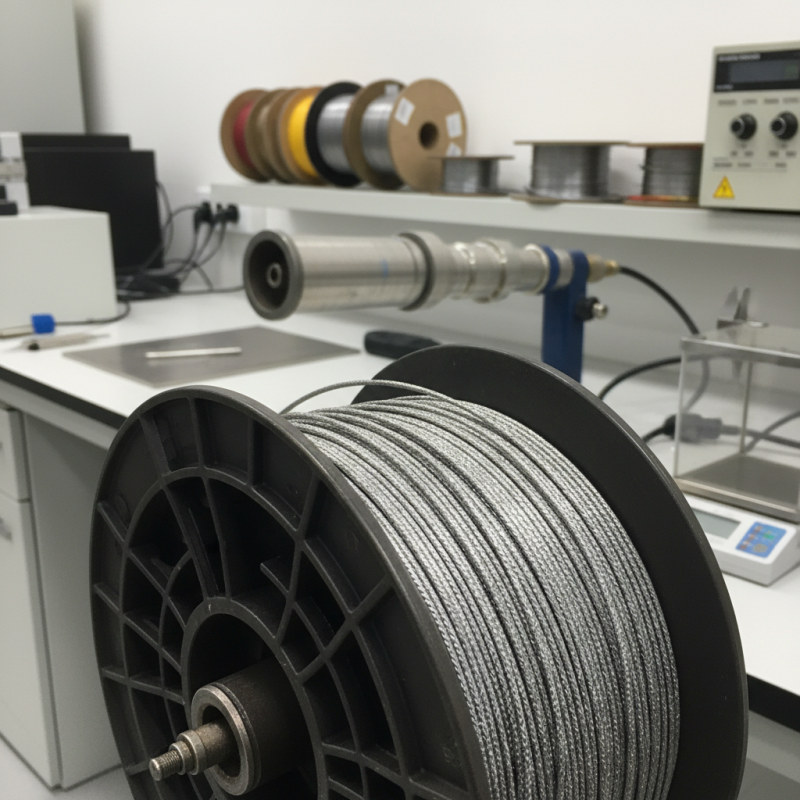
What is Wire for Thermal Spray and How to Choose the Best?
Choosing the right Wire for Thermal Spray is crucial. This process is widely used in various industries, particularly in surface enhancement. The right wire can determine the quality and durability of the coating.
When looking for Wire for Thermal Spray, consider factors like material composition, diameter, and application method. Different materials provide different properties. Selecting the correct diameter affects the melting and deposition process.
However, not every wire will be a perfect fit for your needs. It requires careful consideration and sometimes experimentation. The wrong choice may lead to unsatisfactory results, wasting time and resources. In the end, understanding your specific requirements can greatly improve your outcomes.
What is Thermal Spray Wire and Its Applications in Industry
Thermal spray wire plays a crucial role in various industries, including aerospace, automotive, and manufacturing. It is used for coatings that enhance wear resistance, corrosion protection, and thermal insulation. According to a report by Grand View Research, the global thermal spray market is projected to reach $6.3 billion by 2025, growing at a CAGR of 6.2%. This significant growth indicates the increasing reliance on thermal spray technologies across multiple applications.
The types of thermal spray wires vary, including carbon steel, stainless steel, and nickel-based alloys. Each material offers distinct benefits depending on the specific application. For instance, nickel-based alloy wires are commonly used in aerospace for their excellent heat resistance. However, the choice of wire can be challenging. One must consider factors like substrate material, operating environment, and desired coating properties. Selecting the wrong wire can lead to poor adhesion or rapid wear.
It's also important to note that not all thermal spray processes are equal. For instance, Wire Arc Spray may not deliver the same level of coating quality as HVOF (High-Velocity Oxygen Fuel) processes. This variability necessitates a deep understanding of project requirements. A systematic evaluation of options is vital for achieving desired outcomes. Engaging with industry experts can provide valuable insights into best practices and advancements in thermal spray technologies.
Types of Wire Used for Thermal Spray Coating
Thermal spray coating is essential in enhancing surface properties. The type of wire used for this process significantly affects the final product's quality. Various materials serve different purposes in thermal spray applications. Commonly used wires include metal, ceramic, and composite formulations, each offering unique advantages.
Metal wires, such as aluminum or nickel alloys, provide excellent adhesion and fluidity when melted. A study by the Thermal Spray Society reported that these materials are preferred for coatings requiring strength and durability. Ceramic wires, although typically more brittle, excel in high-temperature environments. They often resist wear and corrosion better than metals, making them suitable for specific applications.
Choosing the best wire requires analysis of the application needs. Factors such as material compatibility, desired properties, and environmental resistance must be considered. Each option has its trade-offs; for example, while ceramic coatings may offer superior wear resistance, they can be challenging to apply consistently. This complexity reminds users of the importance of thorough testing prior to selection. Overall, a deep understanding of these wire types maximizes effectiveness in thermal spray processes.
Factors to Consider When Choosing Thermal Spray Wire
When choosing thermal spray wire, there are key factors to consider. The composition of the wire is critical. Different metals and alloys provide various levels of hardness, corrosion resistance, and wear resistance. Conducting thorough research on material properties can guide you to the right choice.
Wire diameter also plays a significant role. Thinner wires may offer better precision, while thicker wires can provide greater deposition rates. Consider your application requirements and desired coating thickness.
Moreover, the supplier's credibility affects reliability. Opt for suppliers with proven experience in thermal spray applications. User feedback and industry certifications can indicate quality. Be aware that not all suppliers meet high standards, which may impact your project. Always take the time to evaluate your options carefully to avoid regret later.
Comparison of Different Thermal Spray Wire Materials
When choosing wire for thermal spray, material selection plays a crucial role. Various wire materials exhibit different properties. Each type influences adhesion, coating thickness, and overall performance. For example, alloy compositions can affect corrosion resistance and wear properties. Consider what you aim to achieve with your thermal spray project.
Stainless steel wires are popular due to their toughness and resistance to corrosion. They work well in harsh environments. However, these wires can be expensive. On the other hand, aluminum wires provide good thermal conductivity. They are often lighter and easier to apply. Yet, they might not offer the same durability in high-stress applications. Evaluating these weaknesses may help in decision-making.
Nickel-based alloys offer excellent wear resistance. They are suitable for severe operating conditions. However, they can present challenges in application due to their higher melting points. Users may struggle with proper spray settings. It's essential to weigh these factors against specific project needs. The right material makes a significant difference in final coating quality. Understanding these nuances is vital for successful thermal spray applications.
Best Practices for Using Thermal Spray Wire in Coating Processes
When using thermal spray wire, several best practices can enhance the coating process. Selection of the right wire is crucial, as different applications require different materials. According to industry reports, 70% of coating failures can be traced back to improper wire choice. Factors like substrate material, exposure environment, and desired properties play a key role in this decision.
Heating temperature is another critical aspect. If the wire is not heated to the optimal temperature, coating quality suffers. Studies indicate that maintaining a temperature within the recommended range can improve adhesion strength by up to 30%. Regularly monitoring equipment can prevent inconsistencies in the process, which may lead to unnecessary defects.
It's also vital to maintain a clean working environment. Contaminants can significantly affect coating performance. A survey found that 40% of professionals experienced issues due to surface contamination. This emphasizes the need for routine cleaning protocols. Addressing these factors ensures better outcomes, though challenges in achieving and maintaining these standards remain prevalent.
Comparison of Different Thermal Spray Wire Materials