Why Are Shop Lights Important for Global Buyers?
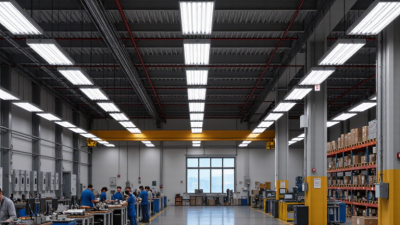
Shop Lights matter because they influence visibility, energy costs, worker comfort, and customer behavior in commercial spaces worldwide. A dim aisle can hide product details. Uneven illumination can also create shadows around shelves, counters, and workbenches. For global buyers, lighting is not merely a fixture choice. It is an operational decision.
The International Energy Agency reports that lighting uses about 15% of global electricity consumption. That figure gives energy efficiency serious commercial importance. The U.S. Department of Energy states that LED products can use at least 75% less energy than incandescent lighting and last up to 25 times longer. These figures support the growing preference for LED Shop Lights in warehouses, retail stores, garages, and workshops. However, efficiency claims need context. Actual savings depend on operating hours, controls, installation quality, and local electricity prices.
A reliable buying process should examine lumens, wattage, color temperature, color rendering, beam spread, flicker performance, and rated life. Voltage compatibility is essential when products cross borders. Buyers should also verify recognized safety marks, ingress protection ratings, warranty terms, and replacement availability. The DesignLights Consortium and ENERGY STAR provide useful performance and qualification references for many commercial lighting products. Still, certification alone does not guarantee a perfect result. A 5,000K fixture may improve detail visibility but feel harsh in a customer-facing store. A lower-cost unit may also produce uneven light after several months. Shop Lights deserve comparison under real working conditions, not just catalog promises.
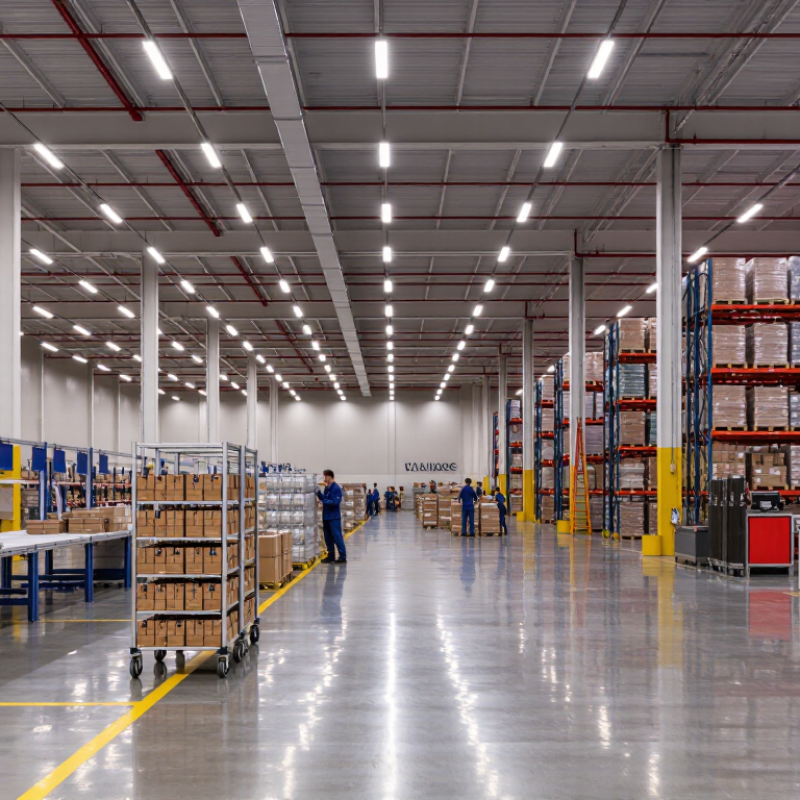
What Are Shop Lights and Where Are They Used?
Shop lights are practical linear fixtures designed to deliver broad, even illumination across work areas. They usually contain LED modules, reflectors, a housing, and a mounting system. Many models hang from chains, attach directly to ceilings, or connect in continuous rows. Their long shape reduces dark gaps above benches, shelves, and production lines.
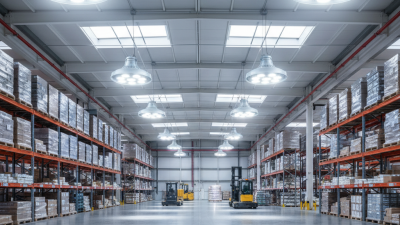
These fixtures appear in garages, warehouses, workshops, retail backrooms, laboratories, and agricultural buildings. A 4-foot light can cover a workbench, while linked units can brighten a narrow storage aisle. According to the U.S. Department of Energy, LED lighting uses at least 75% less energy and lasts up to 25 times longer than incandescent lighting. The International Energy Agency also reports that lighting represents about 15% of global electricity consumption. These figures explain why shop lights attract international buyers, especially where operating costs matter.
However, brightness alone is a poor purchasing standard. Buyers should compare lumens, color temperature, color rendering index, flicker performance, input voltage, and beam distribution. Dusty or humid locations may require suitable ingress protection. For export projects, electrical testing and regional compliance documents deserve equal attention. A low price can hide weak drivers, uneven output, or difficult installation. That weakness is easy to overlook. In practical sourcing, sample testing under real ceiling heights remains more reliable than catalog claims. Performance can change after months of heat, dust, and frequent switching.
Why Are Shop Lights Important for Global Buyers?
Shop lights are linear or wide-beam fixtures designed to provide practical, evenly distributed illumination in workshops, warehouses, garages, retail spaces, and other utility areas. Their efficiency, service life, installation flexibility, and compatibility with different electrical standards are important considerations for international buyers.
The chart compares the estimated input power needed to produce approximately 5,000 lumens, a common output level for a 1.2-meter linear shop-light fixture. Values use representative luminous-efficacy figures: fluorescent lighting at 90 lm/W, LED lighting at 130 lm/W, and high-intensity discharge lighting at 80 lm/W. Actual performance varies by fixture design, driver, lamp, temperature, and operating conditions.
LED shop lights generally require less power for the same light output, helping global buyers reduce operating costs while selecting products suitable for warehouses, workshops, garages, retail areas, and industrial facilities.
Which Lighting Features Matter Most in Shop Environments?
In shop environments, lighting must support accurate work, safe movement, and comfortable customer browsing. Brightness matters, but more light is not always better. Excessive output can create glare on glossy packaging and polished counters. A balanced layout usually works better than a few powerful fixtures.
Color rendering is equally important. A high CRI helps workers judge fabric, paint, food, and surface finishes more accurately. Adjustable color temperature can suit different areas, from a calm sales floor to a focused repair bench. Low flicker also deserves attention. It reduces visual discomfort during long shifts and performs better on security cameras. Efficient LED systems can lower energy use, but buyers should check heat management and rated lifetime carefully.
Tips:
Ask for tested photometric data, not only advertised brightness. Compare lumens, beam angle, CRI, flicker performance, and warranty terms. Check whether the fixture fits local voltage and mounting standards. A simple sample installation can reveal shadows that drawings miss.
Durability is easy to underestimate. Dust, vibration, humidity, and frequent switching can shorten service life. Sealed housings help in demanding areas, while strong mounting hardware protects staff and equipment. Buyers should also consider maintenance access and replacement procedures. I have seen technically bright layouts feel unpleasant because glare control was treated as an afterthought. Lighting plans often need revision after real workers test them.
How Do Shop Lights Improve Safety, Visibility, and Productivity?
Why Are Shop Lights Important for Global Buyers?
Good shop lighting does more than brighten a ceiling. It helps workers see cutting lines, labels, loose wires, and small surface defects. The Illuminating Engineering Society commonly recommends about 300–500 lux for many detailed industrial tasks. However, the correct level depends on the task, worker age, ceiling height, and surface reflectance. Brightness alone is not enough.
Uniform light can reduce harsh shadows around machinery and storage racks. Lower glare also helps workers read gauges without constantly squinting. The International Energy Agency reported that lighting uses about 15% of global electricity. Efficient LED shop lights can reduce operating costs; the U.S. Department of Energy states that LEDs use at least 75% less energy than incandescent lighting and last much longer. Buyers should still check actual fixture efficiency, not only marketing claims.
Productivity improves when workers spend less time searching for tools or rechecking measurements. Good color rendering makes wiring colors, warning labels, and product finishes easier to distinguish. Flicker deserves attention. It may cause discomfort or visual fatigue, especially near rotating equipment. OSHA’s workplace guidance also emphasizes adequate illumination for safe work areas. A practical test is simple: stand at the workbench, inspect a dark corner, and check whether shadows move across the task. Some layouts will need more fixtures. More light is not always better.
What Should Global Buyers Compare Before Purchasing Shop Lights?
Global buyers should compare shop lights by measured performance, not bright-looking photographs. Check lumens, wattage, and efficacy together. A 5,000-lumen fixture using 40 watts differs from one using 60 watts. Higher efficiency can reduce operating costs in large workshops. Yet published figures may come from ideal laboratory tests. Ask for test reports, not just catalog promises. Numbers need context.
Color temperature also affects daily work. Around 4,000K can feel balanced in repair areas, while 5,000K often supports detailed inspection. Compare CRI, especially when workers judge wire colors, paint tones, or surface defects. A CRI above 80 is common; higher values may improve visual accuracy. Beam angle matters too. A narrow beam can create bright circles on a metal bench. A wider beam may reduce harsh shadows. I once focused too much on brightness and overlooked glare. That mistake made long shifts uncomfortable.
Before ordering across borders, confirm input voltage, frequency, dimming method, plug design, and mounting hardware. Check whether the light suits a damp, dusty, or cool environment. Request photometric files, safety certificates, warranty terms, spare-part access, and carton dimensions. These details affect compliance, installation, and freight cost. Compare sample units when possible. A small test can reveal flicker or buzzing that specifications miss. Also inspect lead times and replacement procedures. Cheap shipping may become expensive after damage claims. Leave room for doubt. Supplier documents can be incomplete.
How Do Standards, Energy Use, and Supply Factors Affect Global Buying?
Why Are Shop Lights Important for Global Buyers?
Global buyers must examine standards before comparing prices. A shop light may fit one market but fail in another. Voltage, frequency, plug design, and safety requirements can differ widely. Check certification documents, test reports, and photometric data before ordering samples. In my experience, a supplier’s confident answer is not enough. Written evidence matters. A simple mistake here can delay installation for weeks.
Energy use also affects the real purchase cost. Compare lumens per watt, operating hours, heat output, and expected service life. A light with lower wattage may provide weak illumination over a crowded workbench. That creates darker corners and possible production errors. Controls, occupancy sensors, and dimming options can reduce wasted electricity. Still, projected savings are not always accurate. My own early comparisons overlooked maintenance time and replacement access.
Supply conditions deserve equal attention. Buyers should confirm minimum order quantities, production capacity, packaging strength, and delivery schedules. Ask whether spare drivers, lenses, or mounting parts remain available. Consistent color temperature is important when several batches illuminate one facility. Request a pre-shipment inspection and clear labeling for each carton. Weather-resistant packaging helps during long transport, but it cannot solve poor planning. Build a small buffer for customs checks and seasonal delays. Reliable buying depends on documented quality, realistic energy estimates, and communication that survives unexpected changes.